Pages

Showing posts with label Connection. Show all posts

Monday, November 19, 2018

Be a good citizen!

Transdisciplinary theme:

How we Organize Ourselves.

In this unit we will focus on relationships among people and how people organize themselves through institutions. Also, we will look into how societies are structured, economical activities and their impact in humanity and the environment.


Central Idea: 

Societies are organised to protect rights through the fulfillment of civil responsibilities

Resultado de imagen para human right


Lines
of Inquiry:

- Government and politics are organized in different ways.

- People have human and civil rights.

- Being a citizen implies having rights and fulfilling responsibilities.


Watch the following video to get some inspiration for our final assessment: 

A Pep Talk from Kid President to You

Thursday, November 8, 2018

Prezi tips!

We have started using PREZI in TICs to prepare a presentation about food webs, so we thought this video could be useful for you to practice and learn more about how to use this fun program. Enjoy it! 


Monday, October 1, 2018

Abiotic v/s Biotic

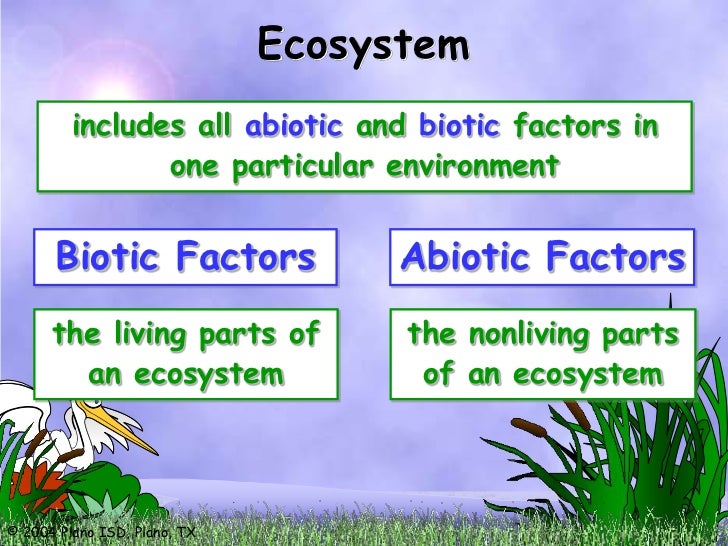
The primary difference between both is that abiotic factors include those components of the ecosystem which are non-living part of any habitat. On the other hand, biotic factors include living components of the ecosystem.
The examples of the abiotic factors are sunlight, the wind, clouds, water, rocks, energy, temperature, soil, etc. while the examples of biotic factors are plants and trees, animals, microorganisms such as fungi, bacteria, algae.
The ecosystem provides the major platform for the interaction between the two, as they both depend on each other for the various things chiefly biotic factors depend on the abiotic factors for fulfilling their requirements to grow and survive. To elaborate further, we will consider the few points which distinguish both the entities.
Watch the following video to understand better the difference between biotic and abiotic factors: 


Some examples of these factors are: 


http://ecologyofchesapeakebay101.weebly.com


Resultado de imagen para biotic and abiotic factors in an ecosystem


Resultado de imagen para biotic and abiotic factors in an ecosystem


Thursday, September 27, 2018

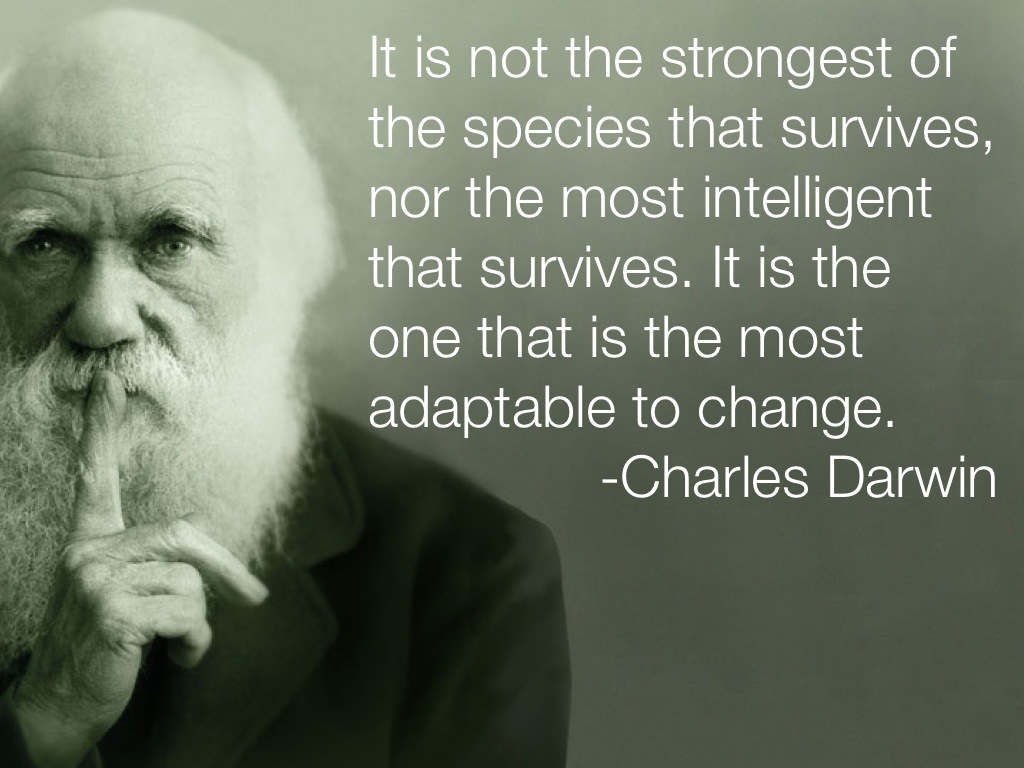
Adapt or Die!

Resultado de imagen para adapt or die

Does it mean it is the best way to do it? 


Resultado de imagen para adapt or die

Can you think about examples of species who have adapted or died? 

Why do you think they could or could not make it? 


Imagen relacionada


Who does the man in the video represent? 

Do you think his way of living affects other species and ecosystems? Please give some examples.

How could the man in the video change his attitude in a positive way?


What is biodiversity? Why is it important?

What would happen if we took appart one element from any ecosystem? 


Move, Adapt or Die

Monday, September 24, 2018

Climate Change


Watch the following videos and reflect 
about these questions:


Before the Flood Official Trailer #1 (2016) Leonardo DiCaprio Documentary Movie HD


How much do you know about global warming?

Is there anything we can do to stop it? Think about actions you can do at home, at school, in your whole community to help.

Why is it important to fight against global warming?


How does climate change affect animals? | Global Ideas

Ecosystems and Climate Change


How is climate change connected to animals? Can you give some examples?

What can animals do to survive
if the ecosystem they inhabit is threatened?


Sharing the Planet

Hello kids, we are starting a new unit of inquiry called "Life and change". We want to begin this journey by letting you know about the central idea and the lines of inquiry which will lead our investigations. We hope you enjoy it !!!


Central Idea:

Living organisms depend on natural resources and transform them to meet their needs.

Resultado de imagen para life and change 

Lines of Inquiry:


  • Organisms have a specific function in a food chain.
  • Changing ecosystems provoke adaptation.
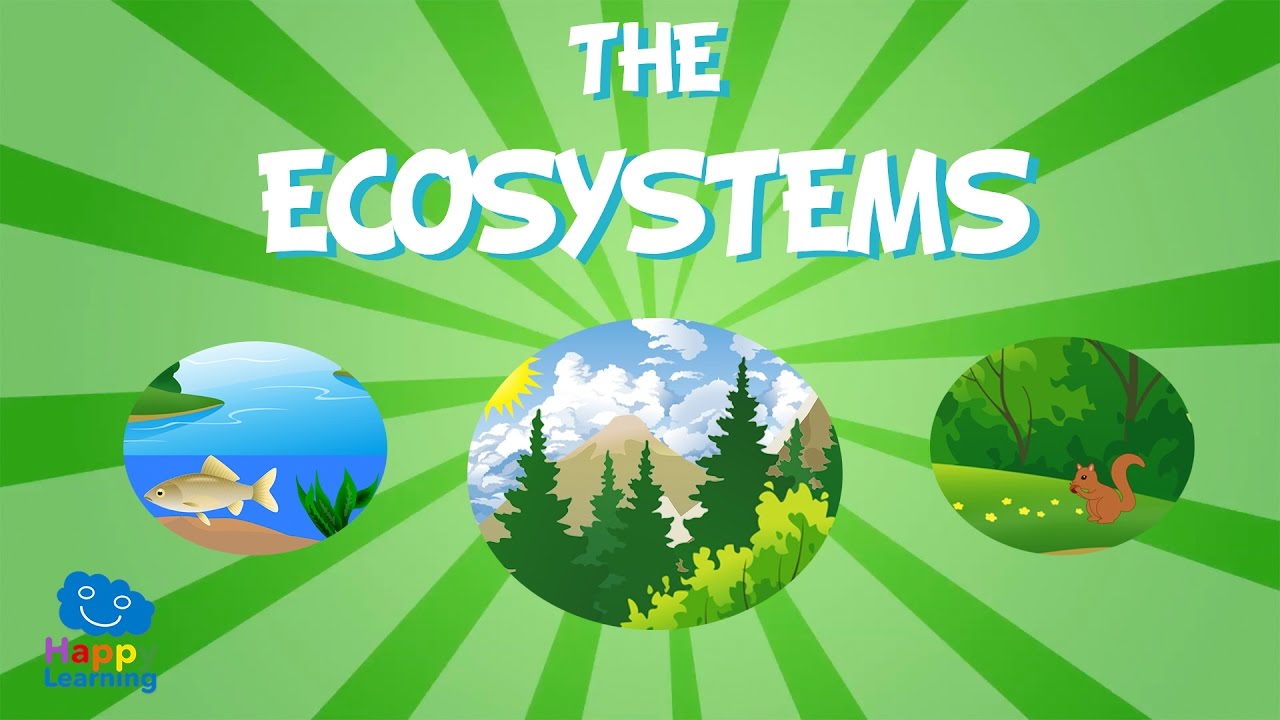
  • Living things and natural resources adapt and interact in ecosystems.


Resultado de imagen para ecosystem


Thursday, September 6, 2018

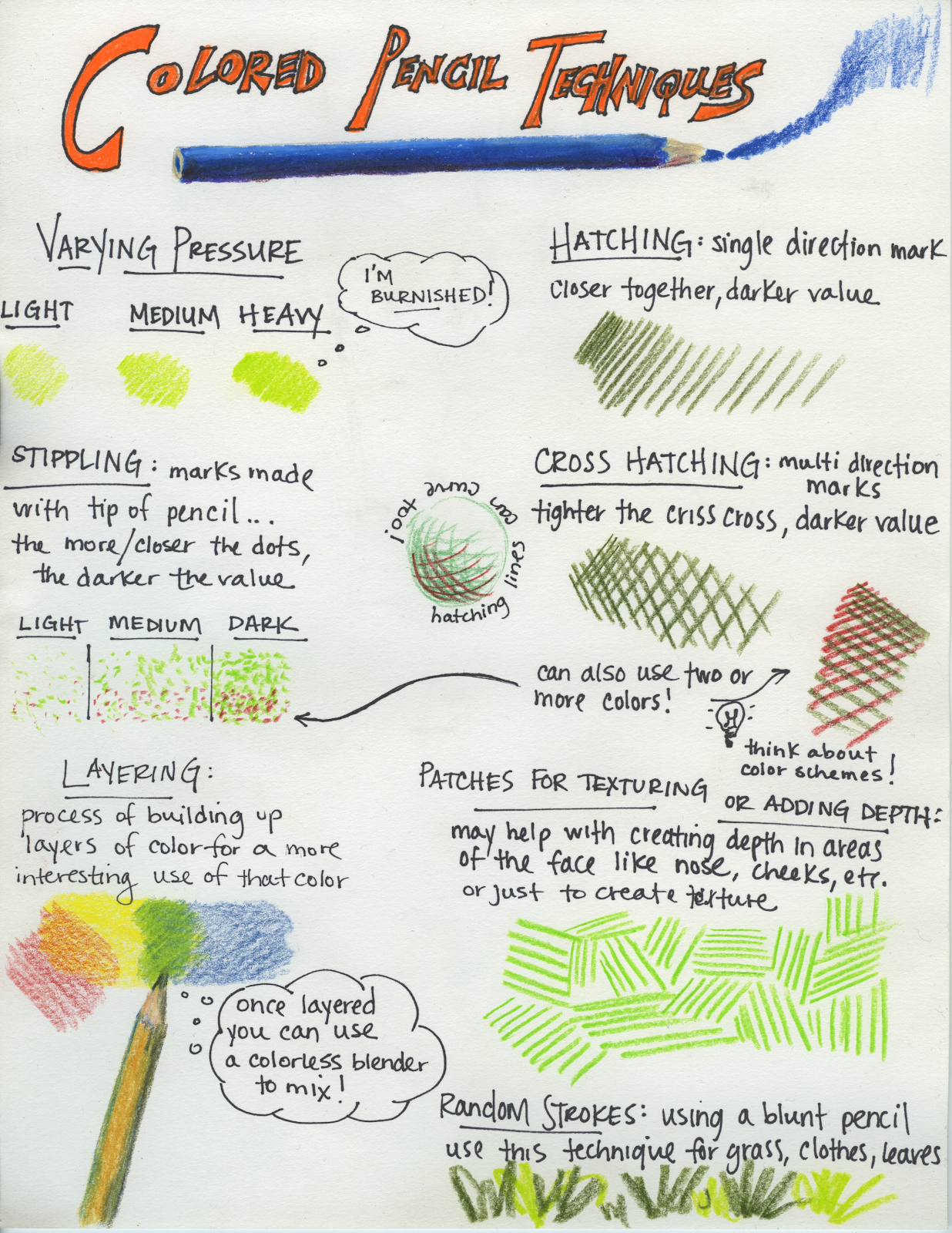
Art Techniques Using Colour Pencils


Hi kids, through this post we would like to share with you some simple techniques you can use when drawing and colouring with your coloured pencils.

We hope you enjoy them and try them at home, then be a risk taker and use them when working at school :D


12 Simple Colored Pencil Techniques


How to use colored pencils! Layering, blending, & more!


How to Draw Easy Step by Step 


22 absolutely brilliant drawing tips for beginners.


Wednesday, August 29, 2018

Did you know?

Have you ever drawn a picture to show how you were feeling? Art has always been a powerful way to express ideas and emotions. More than 100,000 years ago, people buried the dead with beads or other objects. These objects may have helped them remember the dead. Later, people made jewelry from stones or metal. Researchers have found sculptures that are 40,000 years old.

Art was – and still is – a way to share who you are, what you believe in and which tribe you belong to. Sculptures were sometimes made as a tribute to a god or as a good luck token. Art is also a way to document a certain time in history.

The first artists used ashes from fire, red clay or natural pigments from plants for paint.

Today, artists can choose from many mediums, including oil paints, watercolor, chalk, pastel, pencils and pens. Artists create their work on computers and even tablets.

Artists can also use video, photographs, paper, metal, plastic or even recycled materials in their art.

Some artists create art that is displayed in museums or galleries. Other artists produce art for books, movies, commercials and websites. Even products like your breakfast cereal are packaged in boxes designed by artists.

Watch the following video to learn more about different forms of art! Enjoy :)


Thursday, August 23, 2018

Why study Art from the past?

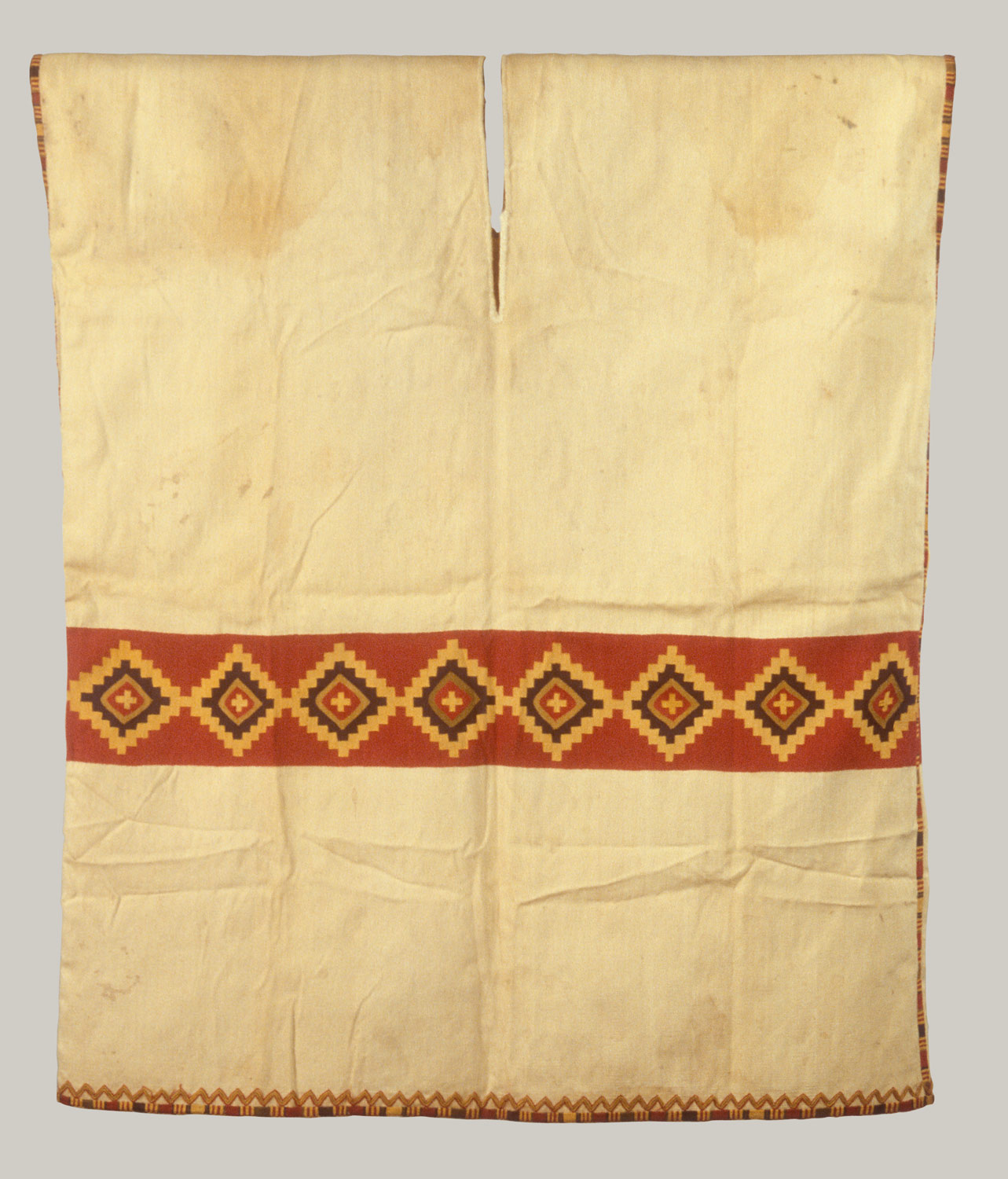
Tunic with Diamond Band
Tunic with diamond band (Incas)

Art from the past teaches us about life in the past. By looking at a work of art's colors and materials, we can learn about the culture that produced it. 
We can learn what was important to these people and how they wanted to be remembered.

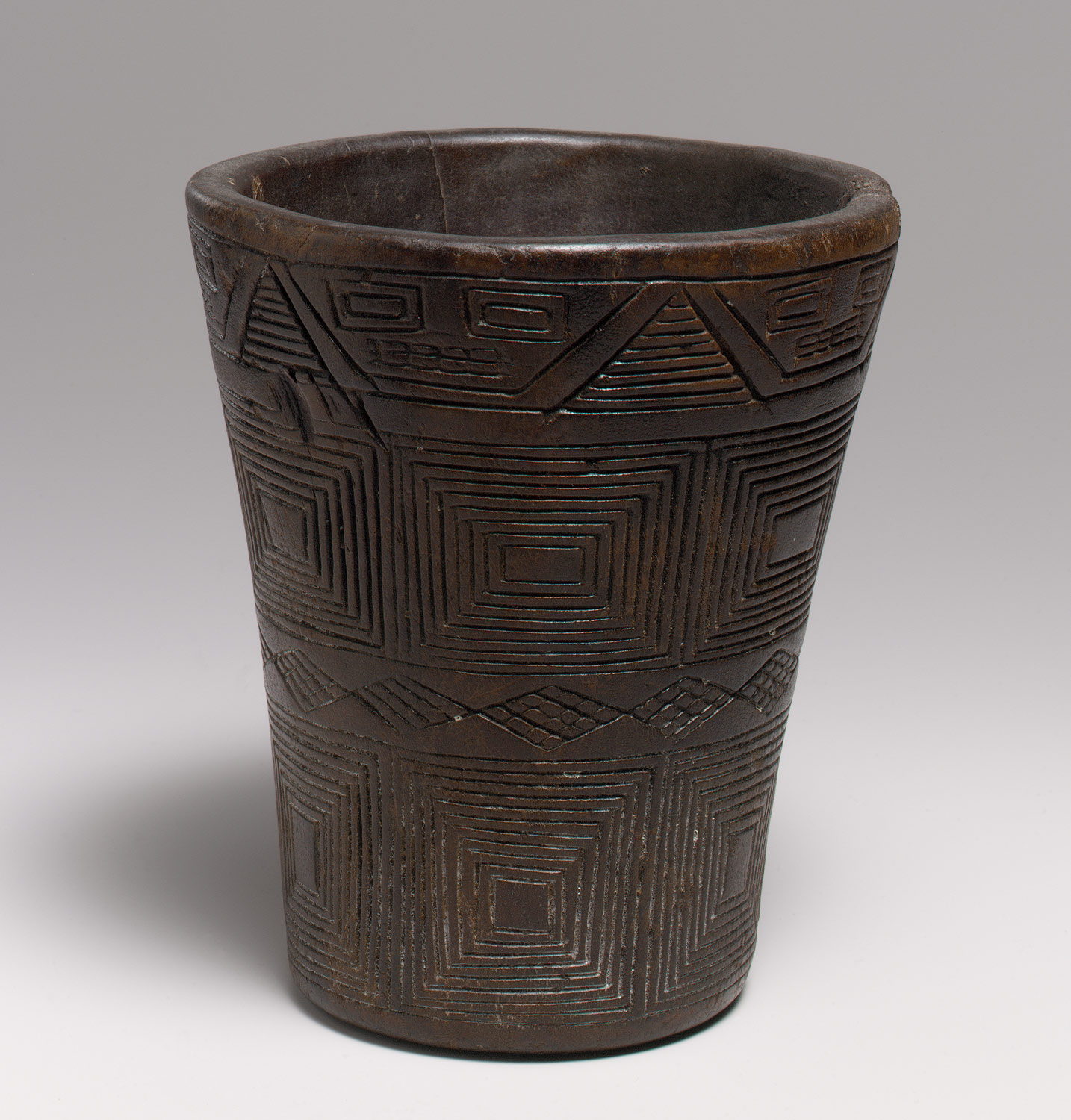
Kero
Kero made of wood (Incas)
Looking at art from the past contributes to who we are as people. 

By looking at what has been done before, we collect knowledge and inspiration that contributes to how we speak, feel, and view the world around us.


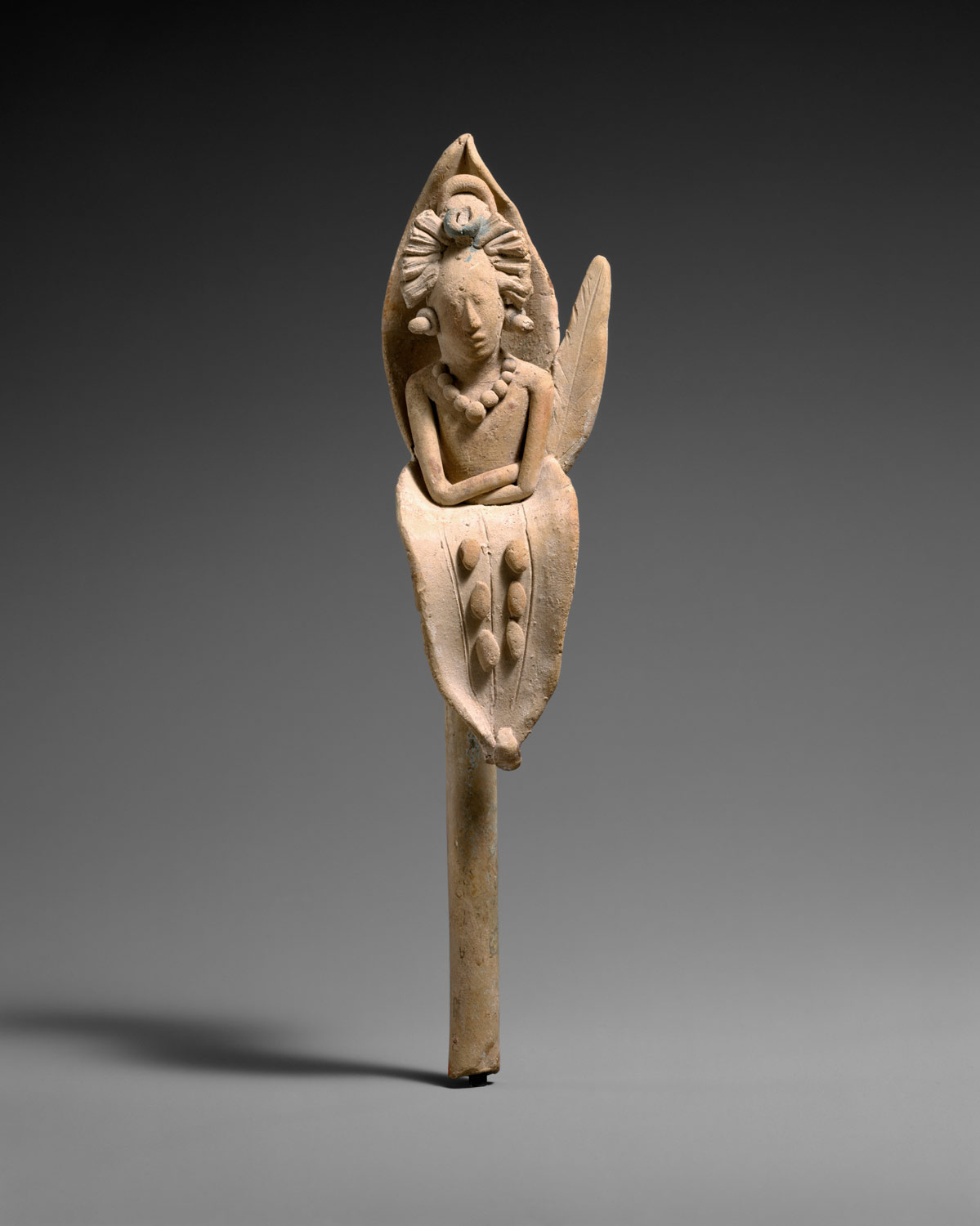
Young Corn God
Young corn God made of ceramic and pigment (Mayans)


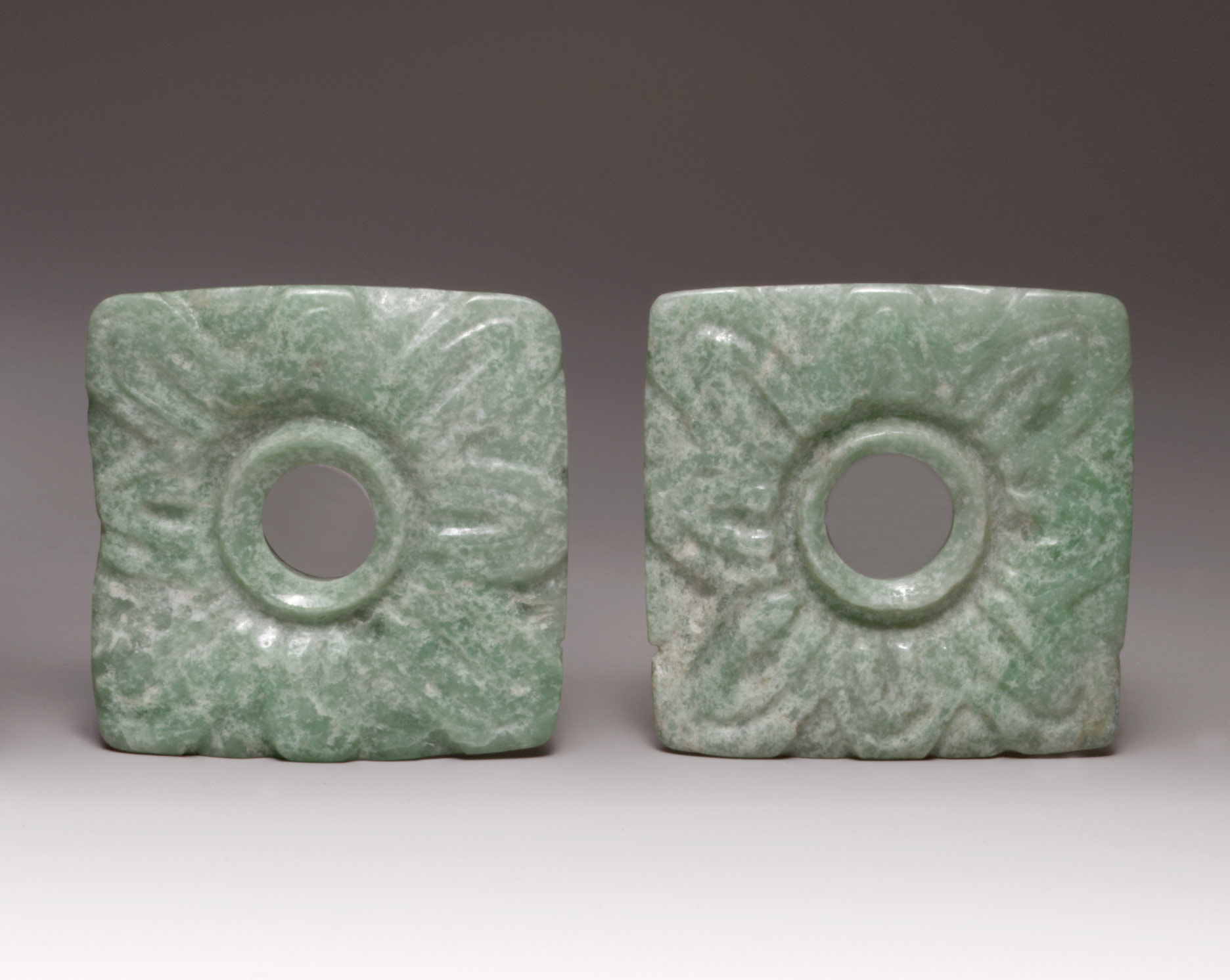
Pair of Earflare Frontals
Pair of earflare frontals made of Jade (Mayans)
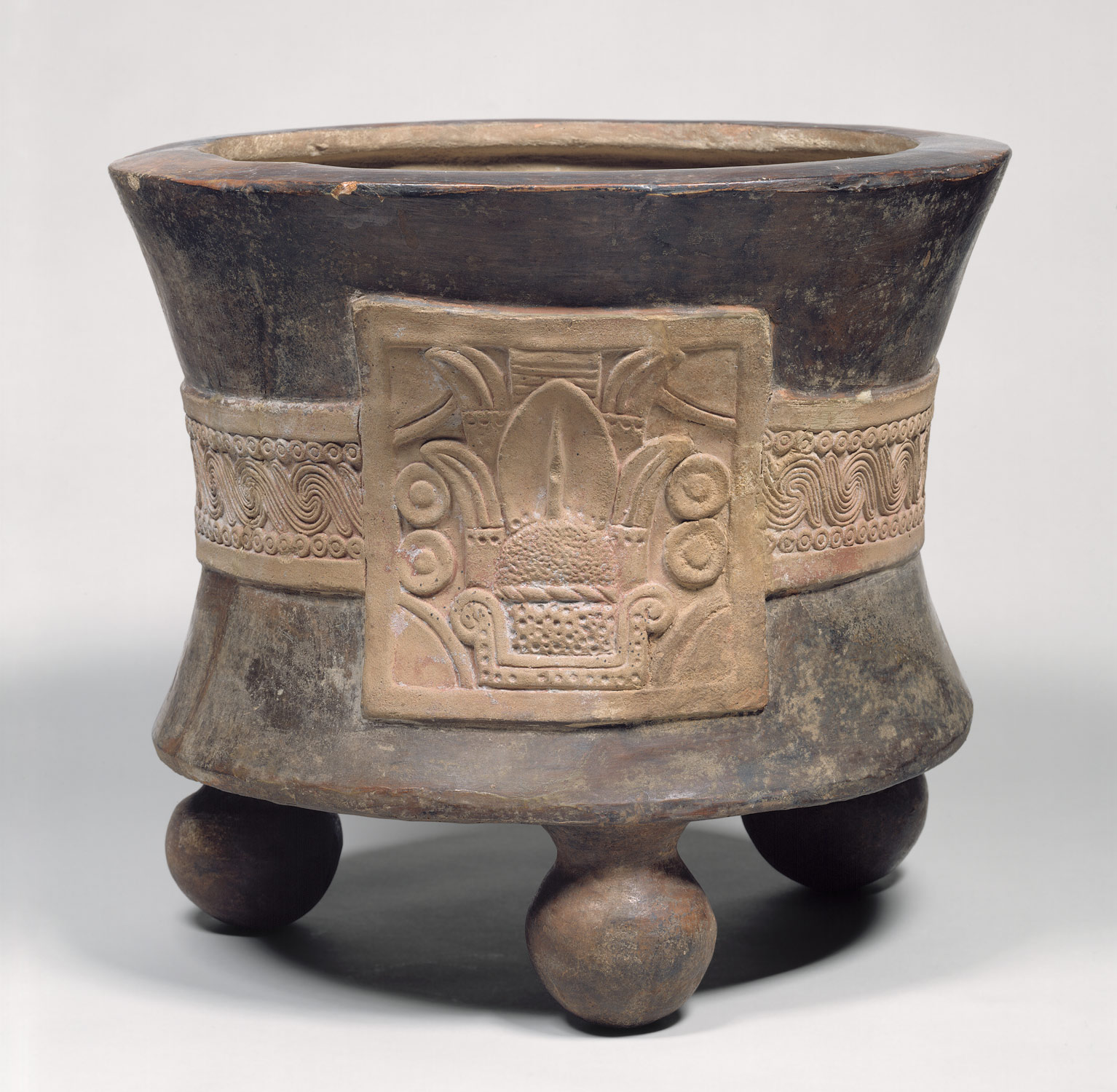
Tripod Vessel with Date Glyph
Tripod Vessel with date glyph made
of ceramic (Aztecs)


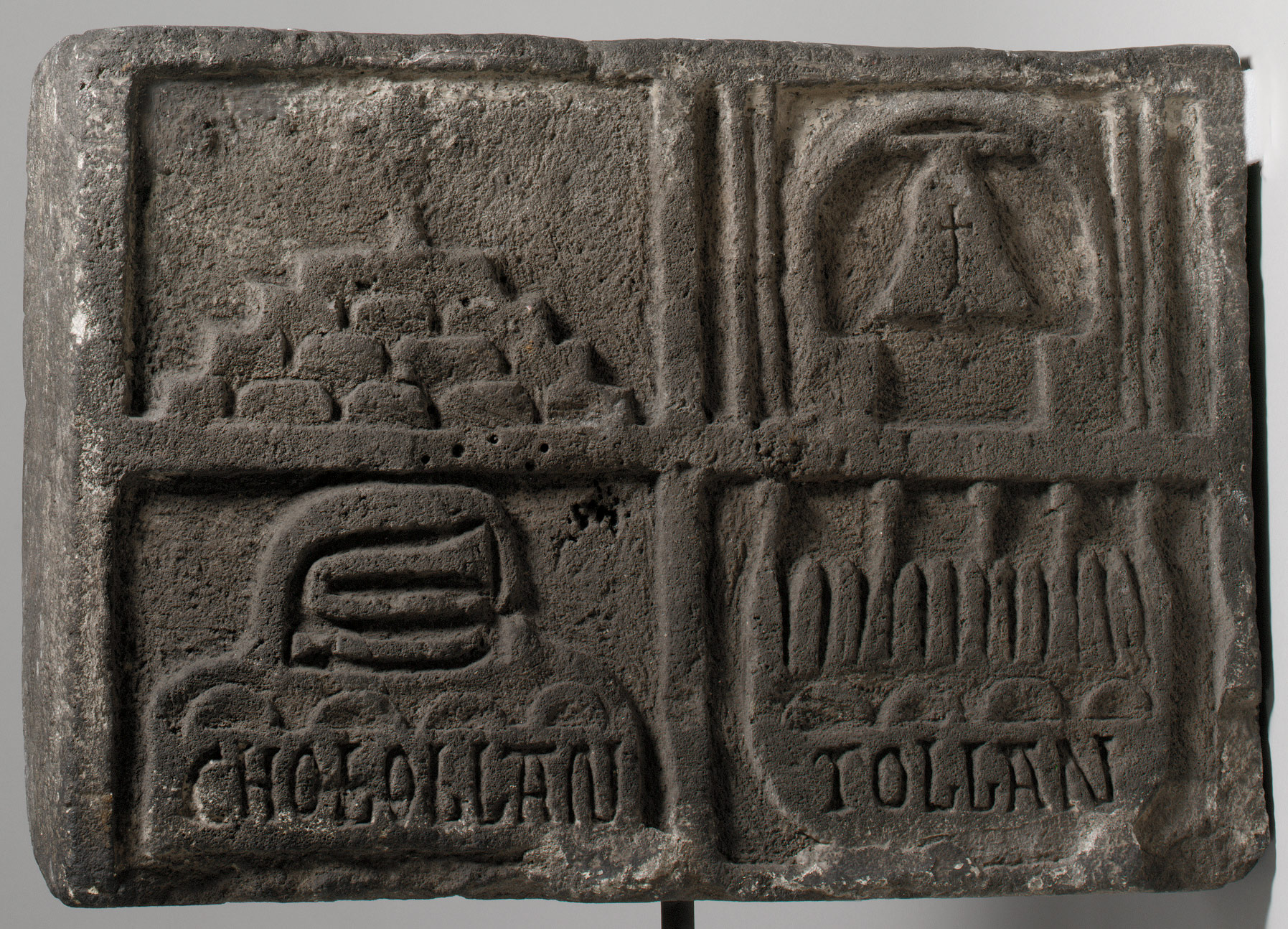
Relief Block with Coat of Arms of Cholula
Relief block with coat of arms of Cholula
made of stone and traces of stucco 
(Aztecs)


How do you want to be remembered?

What would you like people in the future to know about nowadays society based on our artistic expressions?

Tell us your opinion in the comment section below :) 


Tuesday, August 21, 2018

Art is everywhere!


Have you ever seen "The Croods" by any chance? Please watch this short clip and identify at least 3 different forms of ancient art demonstrated by this family. Let us know in the comment section below about your findings, good luck :)


Monday, August 20, 2018

Art Through Time


Imagen relacionada

We are just about to start our new unit of inquiry: Art Through Time. This unit fits into the transdiciplinary theme: How we express ourselves

Resultado de imagen para how we express ourselves

CENTRAL IDEA: 

The development of society is generated by creative expression.


LINES OF INQUIRY: 

Pre-columbians expressed their culture through art .

Pre-columbian cultures and native people expressed themselves differently according to their beliefs, values and location.

Pre-columbian and native chilean cultures are a reference to our own creativity.


Imagen relacionada

Resultado de imagen para ART EXPRESSION pre columbin

Resultado de imagen para arte precolombino


We invite you to visit the following website so you can explore an online version of a museum :) 

Tuesday, July 10, 2018

Paraphrasing and summarizing are different ways of incorporating other writers’ work into our own writing


--> Paraphrasing is when you put the ideas of another author into your own words. To avoid plagiarism when paraphrasing, it is essential that you do not include too many words from the original text.


--> Summarizing is when you use your own words to draw out the key points or main arguments of the original text, significantly reducing its length.


Why do we use paraphrasing and summarizing?

Writers frequently intertwine summaries, paraphrases, and quotations. As part of a summary of an article, a chapter, or a book, a writer might include paraphrases of various key points blended with quotations of striking or suggestive phrases.


How do we use paraphrases, and summaries?

  • Read the entire text, noting the key points and main ideas.
  • Summarize in your own words what the single main idea of the essay is.
  • Paraphrase important supporting points that come up in the essay.
  • Consider any words, phrases, or brief passages that you believe should be quoted directly.


Monday, July 9, 2018

Preparing our final assessment

Class Magazine


As you know, we will create a historial class magazine to be published with all the information related to Pre-Columbian cultures you have collected and processed during these weeks. Therefore, it is important to recognize the parts of any magazine, so we can organize your work collaboratively.

Image titled Write a Magazine Article Step 4

That is why, we will work on a new unit of inquiry, focused on developing writing skills.


Central Idea: 
Magazine articles inform, educate and entertain people.


Lines of Inquiry:

1. Paraphrasing and summarizing are different ways of incorporating other writers’ work into our own writing. (Form)
2. People write magazine articles using their experience, knowledge and research about a certain topic. (Connection)
Image titled Write a Magazine Article Step 6


On this website, you will find detailed information about what should each part of the magazine contain.


For our assessment we will consider:
- the front cover.
- the back cover.
- Editorial.
- Index.
- Factual section (Did you know?)
Social Life.

Resultado de imagen para historical  magazine pictures Resultado de imagen para historical  magazine pictures Resultado de imagen para historical  magazine pictures

Monday, June 4, 2018

Skeletal System

Enjoy learning more about the skeletal system by watching the following videos:

Bones.

How do your bones and skeleton work?


Skeletal system

More information about the skeletal system


Friday, June 1, 2018

Did you know?

Eventhough we are studying 3 specific systems (muscular, skeletal and nervous) we think it could be useful for you to watch the following videos so you can understand better how our bodies work: 

Top 10 Facts You Didn’t Know About Your Body


How does your digestive system works?


How does the food you eat affect your brain?

What would happen if you didn't drink water?


Muscular System

These videos will help you to reinforce what you know and what you have learnt about the Muscular System during this unit. We hope you enjoy them: 


Muscular System


How does your muscular system work? (Connected to force and motion)


What makes muscles grow?


By visiting these links you can get even more knowledge about our muscular system and you can play some games to test your knowledge about this topic: 


Institutions in Chile

1- Grouping As you know people live together with other people making communitites. There are small communities like your family and...

Entradas populares