Pages

Showing posts with label Form. Show all posts

Saturday, November 24, 2018

Institutions in Chile

1- Grouping


As you know people live together with other people making communitites. There are small communities like your family and bigger ones like schools, communes and countries.


agrupaciones sociales
Family:  
Family is the basics of society, there are different types of family, but there must be love, respect and protection in all of them. It is in charge of educating children and teaching them values.  Some families are big and others small, but no matter how they are like, they are all important and special.

School:  
School is the place where children adquire knowledge to integrate society. Also, children make friends, play, eat and spend most of the day there.


2- Public Institutions


An institution is a group of people who work together to achieve a particular function of public interest, in other words, to be useful for all people.

Hospitals: 
Doctors, nurses and paramedics take of patients in hospitals, appart from saving people's lifes with their job. They are also in charge of preventing illnesses, people's dental care, children's medical checks, etc. 


Courts:
Judges and lawyers work in courts. They help people with their legal problems. They also pass sentences to those who don't obey the law. 


Libraries:

In the library we can find lots of books to read and have fun. There are also computers and you can visit it whenever you want. The person in charge of a library is called librarian.

Police: 

This institution protecs and helps people who have been robbed, attacked, who have had an accident or an important loss. It was founded on april 27th, 1927. We can identify them because of their green uniform. They have got a badge with two crossed carbines. 

Firefighters:
Firefighters are in charge of putting out fires and helping with different kinds of rescues. In Chile, firefighters provide a public service without payment, that is to say, firefighters are voluntary workers. This institution was created in Valparaíso and is more than 150 years old.


Source: www.portaleducativo.net 

Math is everywhere !

What Are 3-Dimensional Shapes?

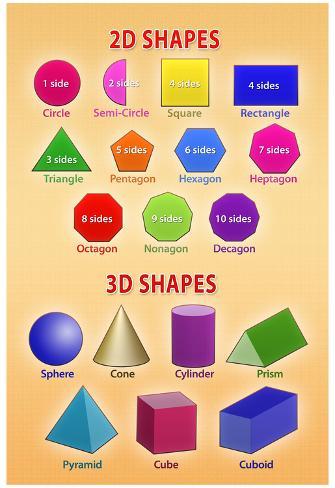
Shapes that are 3-dimensional are all around us! Take a look around you right now. Most things in this world are made up of 3-dimensional shapes. Sometimes we call these 3-D shapes for short.
You may want to know where 3-dimensional shapes get their names before we get started. The word 3-dimensional basically refers to a shape that 'pops out' at you. More specifically, 3-dimensional shapes are not flat. They take up space with how wide they are, how high or long they are, and how deep they are from front to back.
A pencil, ice cube, and ball are all examples of 3-dimensional shapes. For example, you can wrap your fingers around the shape of a pencil in order to draw, and you can hold an ice cube and a ball too. While you could draw a 3-dimensional shape on paper (as you can see in our sample images below), a true 3-D shape can't be flattened.


What Makes Up a 3-Dimensional Shape?

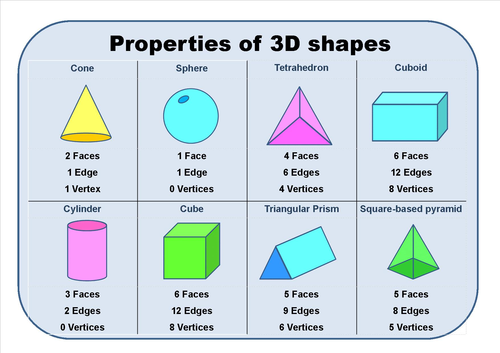
Most 3-D shapes are made up of faces, edges, and vertices.
  • The face of a 3-D shape, is basically just the flat part of the shape.
  • The edge, is the straight line that separates the faces. Think of it as the edge of a cliff.
  • The vertices are the corners. However, when referring to only one corner, we use the word vertex.

Picture A
Picture A

The 3-D shape in Picture A has 6 faces, 12 edges, and 8 vertices.


Resultado de imagen para what are 3d shapes for kids
Resultado de imagen para 3d shapes


Imagen relacionada

Image of Examples of 3D shapes factsheet


Who rules?

Resultado de imagen para who rules


Resultado de imagen para types of governmentResultado de imagen para types of government


Structure of Governments
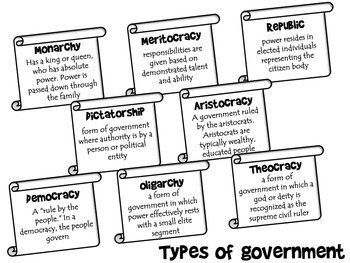
Although many countries have similar institutions, the definition of those bodies and the way they work together can vary greatly. The main bodies are an executive, or head of state; a legislature; and a judiciary, or court system. Often these are defined by a constitution. In democracies the roles of these institutions are clearly defined and separated to some extent. In some countries these are all controlled by one person or a small group of people. Such countries can be mocarchies or dictatorships.

Democracy

There are two types of constitutional democracy in the world today. These are the presidential system, such as that of the United States, and the parliamentary system, such as that of the United Kingdom.
In both systems political parties are key institutions. It is through them that the citizens are able to express their opinion by voting for candidates for office. The parties are groups of people with similar views about major issues. Most candidates for political office are members of a particular party, though membership in a party means different things in different countries.
In some countries, such as the United Kingdom, the parties are fairly rigid, meaning that its members are expected to always vote with the party. In the United States, however, party members are free to vote as they see fit on any particular issue. The number of parties can also vary in each country. In some, notably the United States and the United Kingdom, there are only two main parties. In others there may be many parties. Because power is divided among more groups, it is less likely that one group will have a clear majority to rule. In such cases several parties must work together to share power.

Presidential system

In a presidential system the executive, legislative, and judicial branches are clearly separated. The president is elected by the people and is not a member of the legislature. In such systems the president is both the political head of the government and also the head of state, who presides over ceremonies and official functions. The president chooses people to serve as his or her cabinet. These are the heads of the various departments. They are not elected.
The legislature usually consists of two bodies. In the U.S. Congress, members of both the Senate and the House of Representatives are elected officials. Like the president, they are elected for set terms.
Established court systems are found in all advanced political systems. There are often several levels of courts. In the United States judges of local courts are elected by the people of a particular district. The highest court is the Supreme Court. Supreme Court justices are appointed by the president and approved by the Senate.

Parliamentary system

In a parliamentary system the prime minister is the national political leader, and another figure serves as the head of state. In the United Kingdom the head of state is the queen. In Japan it is the emperor. In some countries the head of state may be an elected president, but the prime minister usually has the true power. The prime minister is generally a member of the legislature who is either elected by the legislature or chosen automatically as the leader of the party with the most members in the legislature. The prime minister’s cabinet, and the leaders of the government departments, are also members of the legislature.

Other systems

Some constitutional countries, notably France, have systems that combine elements of the presidential and parliamentary approaches. Although France’s constitution established a parliamentary form of government, it also increased the role of the president of the republic. The constitution gives the president the power to appoint the prime minister and the executive ministers, preside over the cabinet, sign the more important decrees, appoint high civil servants and judges, and dissolve one house of the parliament. Because of this arrangement the prime minister and president must share power to a certain extent.

Monarchies

In a monarchy one person—the king or queen—has control over all parts of the government. Most countries that had been ruled by a monarch had become constitutional monarchies. In such cases the government consisted of a parliamentary system led by a prime minister. The king or queen had a very limited role as the head of state. 

Dictatorships

Dictatorships can take various forms. Sometimes elected presidents and prime ministers capture power by establishing one-party rule and ending all opposition. They may continue to call the country a republic and maintain some institutions, such as a legislature, but in fact they control all the power in the country. In other cases, the military may take control. One of the major differences between democracies and dictatorships is in the role played by political parties since there are no elections in dictatorships.


Wednesday, November 21, 2018

Branches of the Government


Chile is a Democratic Republic. There are three branches of power in Chile: 

Legislative Branch:

Resultado de imagen para legislative branch for kidsThe Legislative Branch is the part of the government that writes up and votes on laws, also called legislation. It is represented by the Congress. There are two parts that make up the Congress: the House of Representatives and the Senate. 


Executive Branch: 

Its function is to administer the state. The leader of the Executive Branch is the President of the nation. The President holds all the power for this branch of the government and the other members report to the President. The President is chosen by the people. Presidential elections are held every four years. 

Resultado de imagen para executive branch for kids


Judicial Branch: 

Resultado de imagen para judicial branch for kidsIt is in charge of making sure people respect laws and judges whoever breaks it. The institution that represents the Judicial Branch is the Supreme Court. The Judicial Branch of the government is made up of judges and courts. The job of the courts is to interpret the laws of the Congress. Federal judges are not elected by the people. They are appointed by the president and then confirmed by the Senate. 


Resultado de imagen para poderes del estado de chile

How is the government organization in 
USA different from Chile's?

Imagen relacionada

Steps for creating your country's flag!


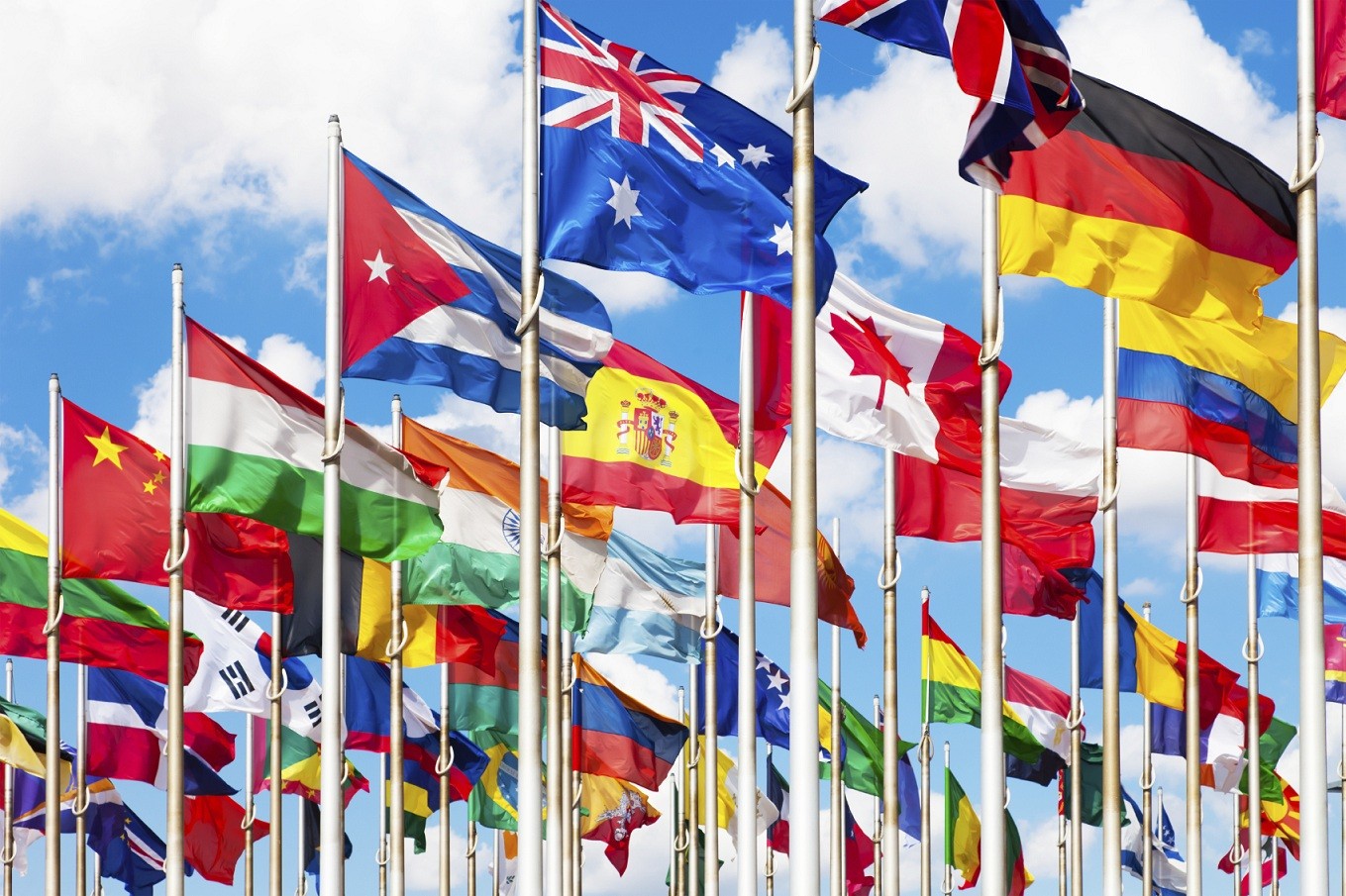
Vexillography is the art of designing flags. A good flag is simple, meaningful, and easy to recognize. Flags can be used to represent cities, states, countries, organizations, and even movements. They have a way of bringing people together under a series of symbols and colours. In order to design a flag, you should decide on the basic layout, add symbolism, and keep it simple. 

In this post we will present some steps that will help you when creating your country's flag. We hope they are useful.

Imagen relacionada


PART 1: Deciding on the basic layout

1

Choose the shape for your flag. Most flags are either rectangular or square. Your flag doesn't have to be rectangular, but you should stick to simple shapes that are easy to see from a distance. For example, Nepal’s flag is made of two overlapping triangles.

Image titled Design a Flag Step 1

2

Choose a simple design. Some of the most common flag designs are bicolors, tricolors, and quarters, or use stripes, panels, and borders. The flag can also be a solid color with a unique symbol in the center. Alternatively, you can place a rectangle in the upper left hand corner called a canton (like on the American flag) that includes a symbol.

Image titled Design a Flag Step 2


3

Use 2 to 3 colors. As a general rule, you should only use 2 to 3 colors in your flag design. If you use more they can be hard to distinguish. The most common colors found on flags are black, blue, green, red, white, and yellow. You can use light and dark colors to create contrast.

Image titled Design a Flag Step 3

PART 2: Adding symbolism

1

Decide what you want your flag to represent. When you are designing a flag it is very important that you choose colors and images that symbolize the organization or place your flag represents. For instance, you may be designing a flag for a micronation, fictional land, club, organization, or charity. Keep this in mind when you are adding symbolism to your flag.

Image titled Design a Flag Step 4

2

Choose colors that have meaning. When you are selecting which colors to include on your flag, make sure the colors have some sort of symbolic meaning. For example, if your location is near water, you may want to include blue in your flag to symbolize the water. 

Image titled Design a Flag Step 5

3

Add an image. Images and symbols can be used to help distinguish your flag from others, and will communicate the purpose or meaning behind the flag. The image of an eagle could symbolize freedom or power, a star could stand for divinity or honor, and a circle could represent the sun.

Image titled Design a Flag Step 6

PART 3: Keeping it simple

1

Don’t include lettering on a flag. Lettering is not necessary on a flag. The colours and symbols on the flag should be enough to identify what the flag is representing. Lettering is also difficult to read from a distance and will look backwards if viewed from the opposite side

Image titled Design a Flag Step 7

2

Decide on a design that is easy to draw. The best flag designs are those that are easy to draw. Do not include a complex seal or emblem on your flag. This will make it difficult to reproduce. Flag designs should be simple enough for a child to draw from memory.

Image titled Design a Flag Step 8

3

Use a flag design app. If you have been tasked with designing a flag, but don’t know where to start, you can try using a flag design app to give you ideas for different basic designs and symbols. Search online for a flag design app.

Image titled Design a Flag Step 9


Monday, October 1, 2018

Reinforcing Fractions

Resultado de imagen para fractionsImagen relacionada


These videos will help you reinforce the concept of fractions, 
we hope you enjoy them! 


Take the following quiz and play the game to see how much you know:


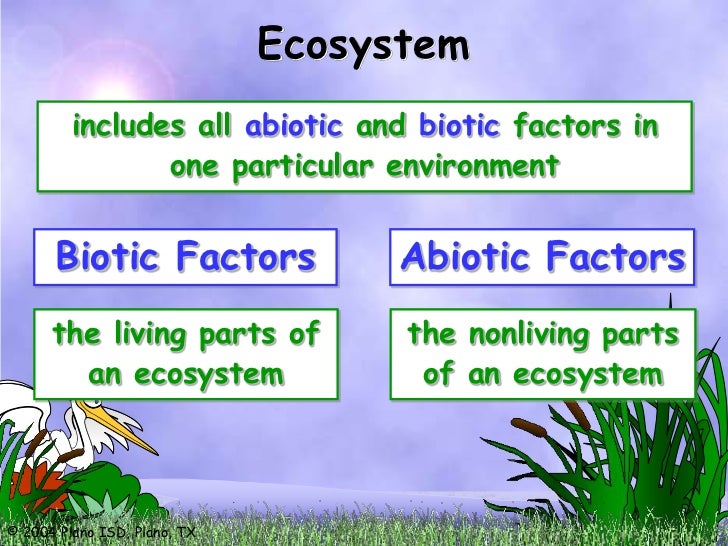
Abiotic v/s Biotic

The primary difference between both is that abiotic factors include those components of the ecosystem which are non-living part of any habitat. On the other hand, biotic factors include living components of the ecosystem.
The examples of the abiotic factors are sunlight, the wind, clouds, water, rocks, energy, temperature, soil, etc. while the examples of biotic factors are plants and trees, animals, microorganisms such as fungi, bacteria, algae.
The ecosystem provides the major platform for the interaction between the two, as they both depend on each other for the various things chiefly biotic factors depend on the abiotic factors for fulfilling their requirements to grow and survive. To elaborate further, we will consider the few points which distinguish both the entities.
Watch the following video to understand better the difference between biotic and abiotic factors: 


Some examples of these factors are: 


http://ecologyofchesapeakebay101.weebly.com


Resultado de imagen para biotic and abiotic factors in an ecosystem


Resultado de imagen para biotic and abiotic factors in an ecosystem


Thursday, September 6, 2018

Art Techniques Using Colour Pencils


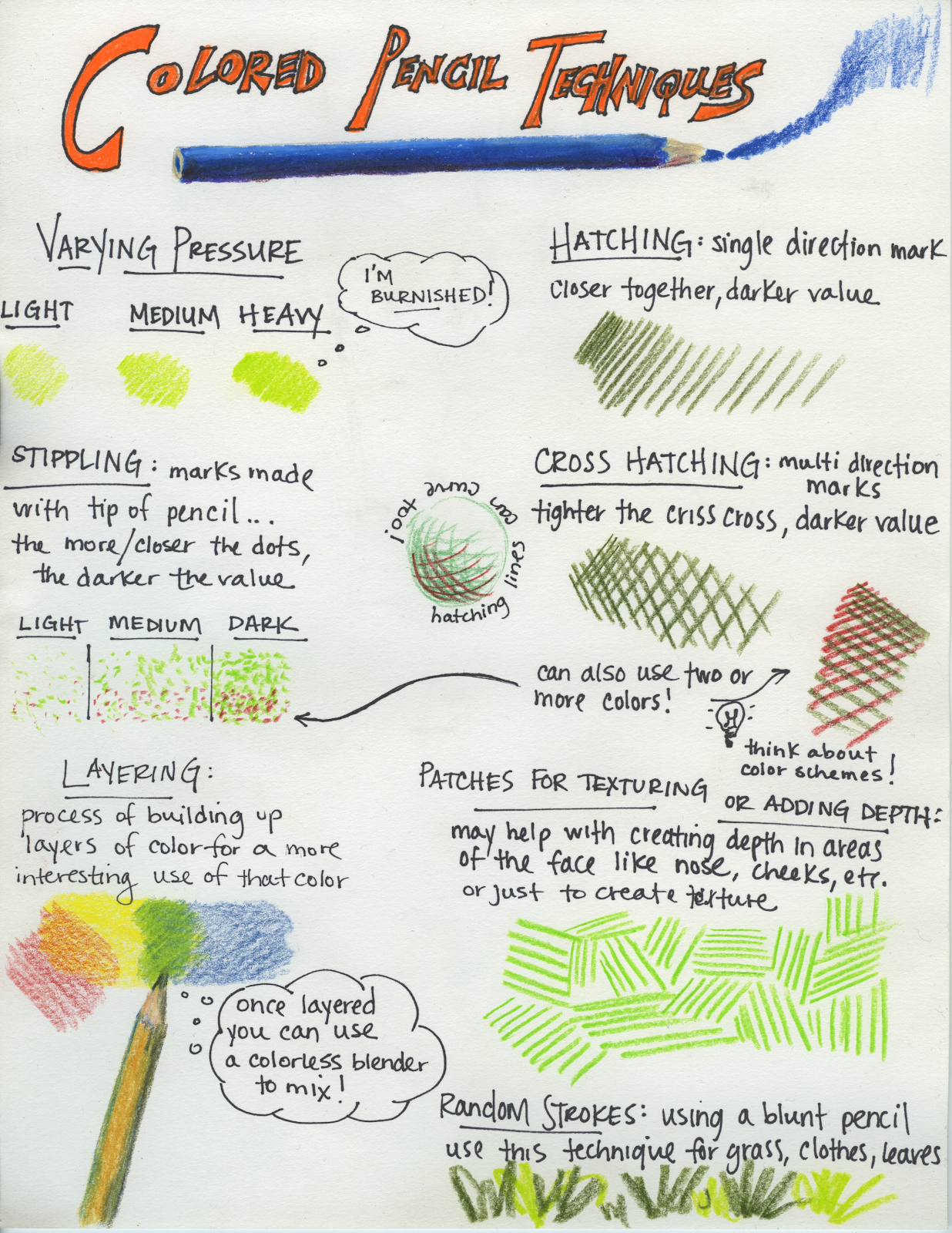
Hi kids, through this post we would like to share with you some simple techniques you can use when drawing and colouring with your coloured pencils.

We hope you enjoy them and try them at home, then be a risk taker and use them when working at school :D


12 Simple Colored Pencil Techniques


How to use colored pencils! Layering, blending, & more!


How to Draw Easy Step by Step 


22 absolutely brilliant drawing tips for beginners.


Wednesday, August 29, 2018

Did you know?

Have you ever drawn a picture to show how you were feeling? Art has always been a powerful way to express ideas and emotions. More than 100,000 years ago, people buried the dead with beads or other objects. These objects may have helped them remember the dead. Later, people made jewelry from stones or metal. Researchers have found sculptures that are 40,000 years old.

Art was – and still is – a way to share who you are, what you believe in and which tribe you belong to. Sculptures were sometimes made as a tribute to a god or as a good luck token. Art is also a way to document a certain time in history.

The first artists used ashes from fire, red clay or natural pigments from plants for paint.

Today, artists can choose from many mediums, including oil paints, watercolor, chalk, pastel, pencils and pens. Artists create their work on computers and even tablets.

Artists can also use video, photographs, paper, metal, plastic or even recycled materials in their art.

Some artists create art that is displayed in museums or galleries. Other artists produce art for books, movies, commercials and websites. Even products like your breakfast cereal are packaged in boxes designed by artists.

Watch the following video to learn more about different forms of art! Enjoy :)


Thursday, August 23, 2018

Why study Art from the past?

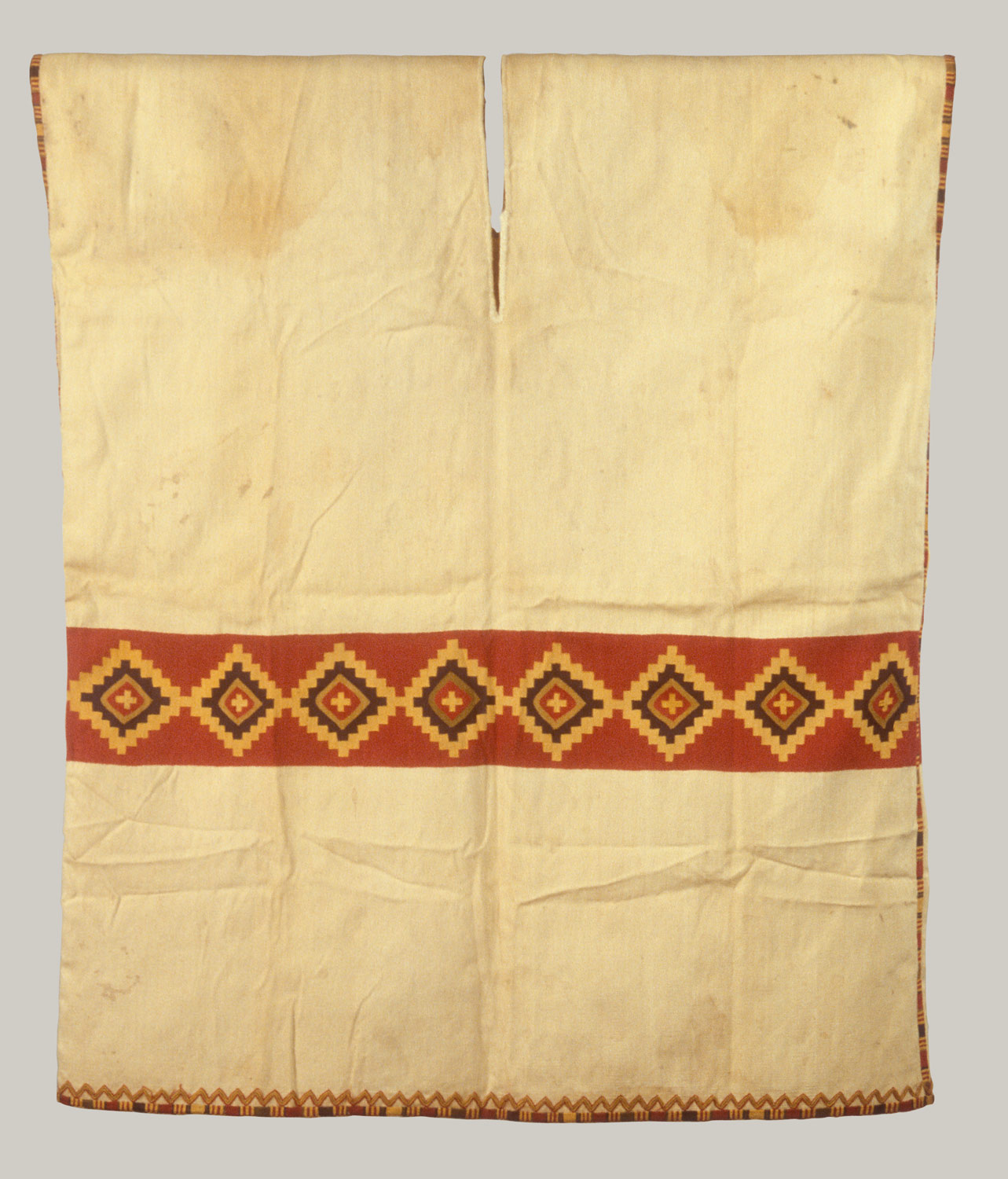
Tunic with Diamond Band
Tunic with diamond band (Incas)

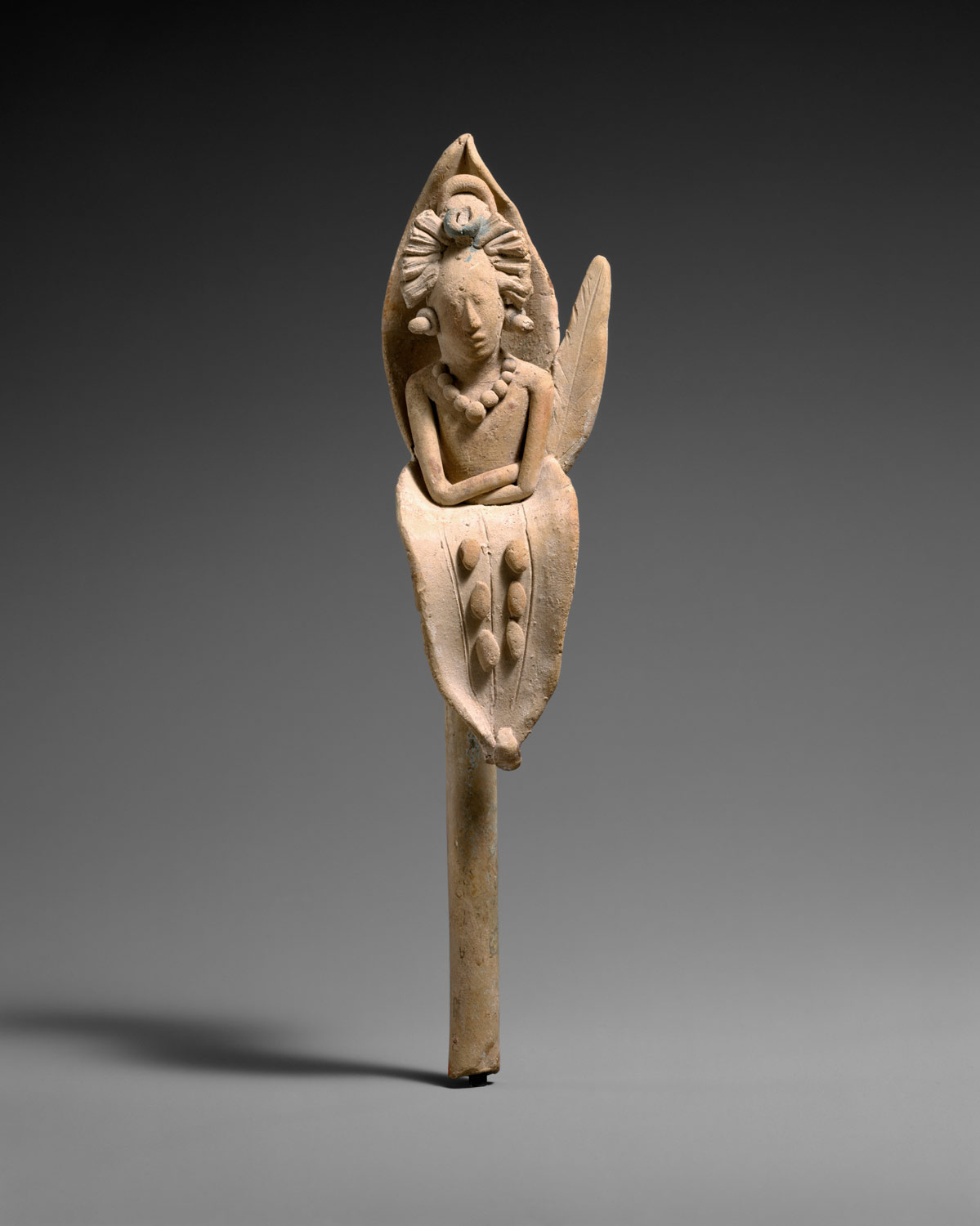
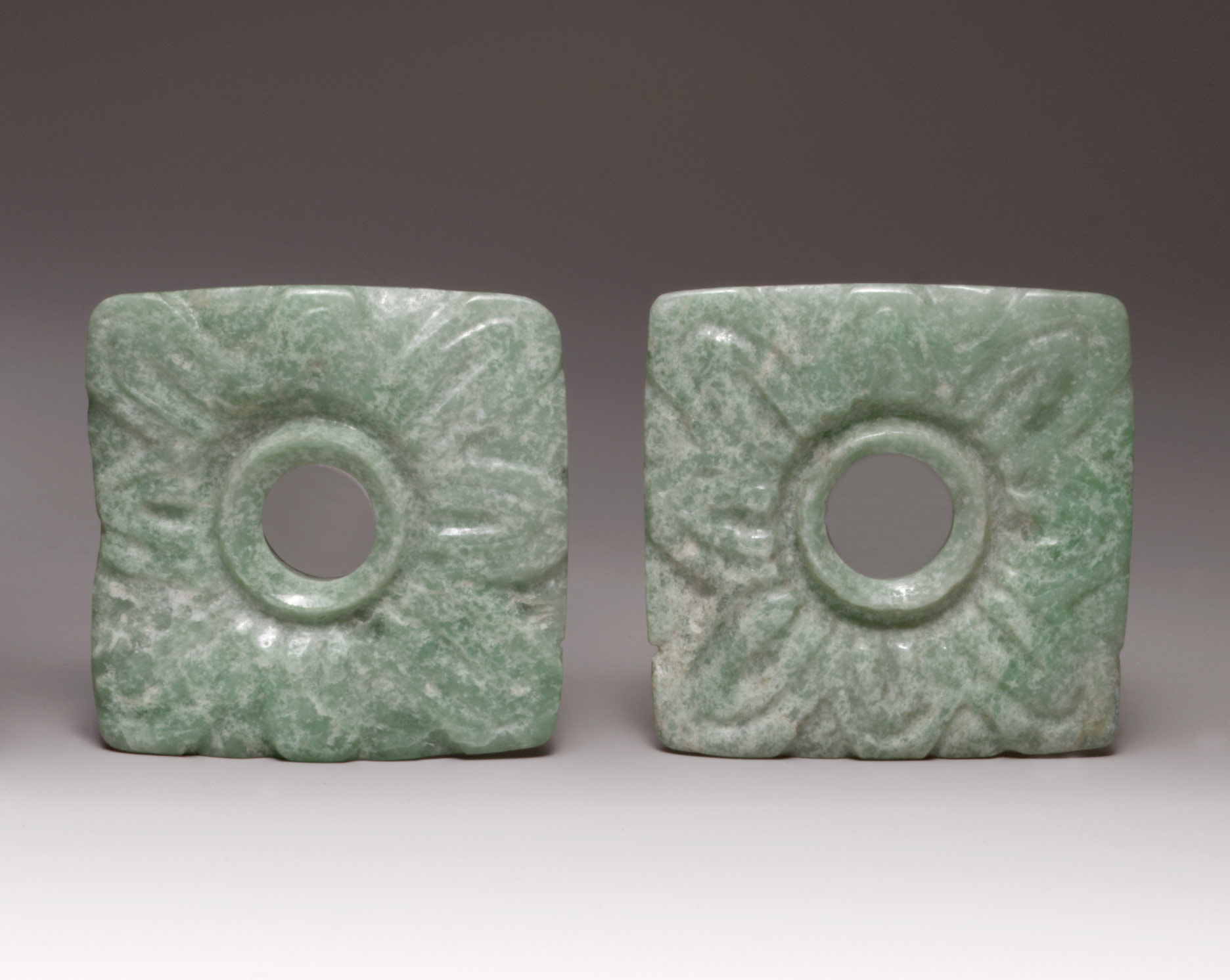
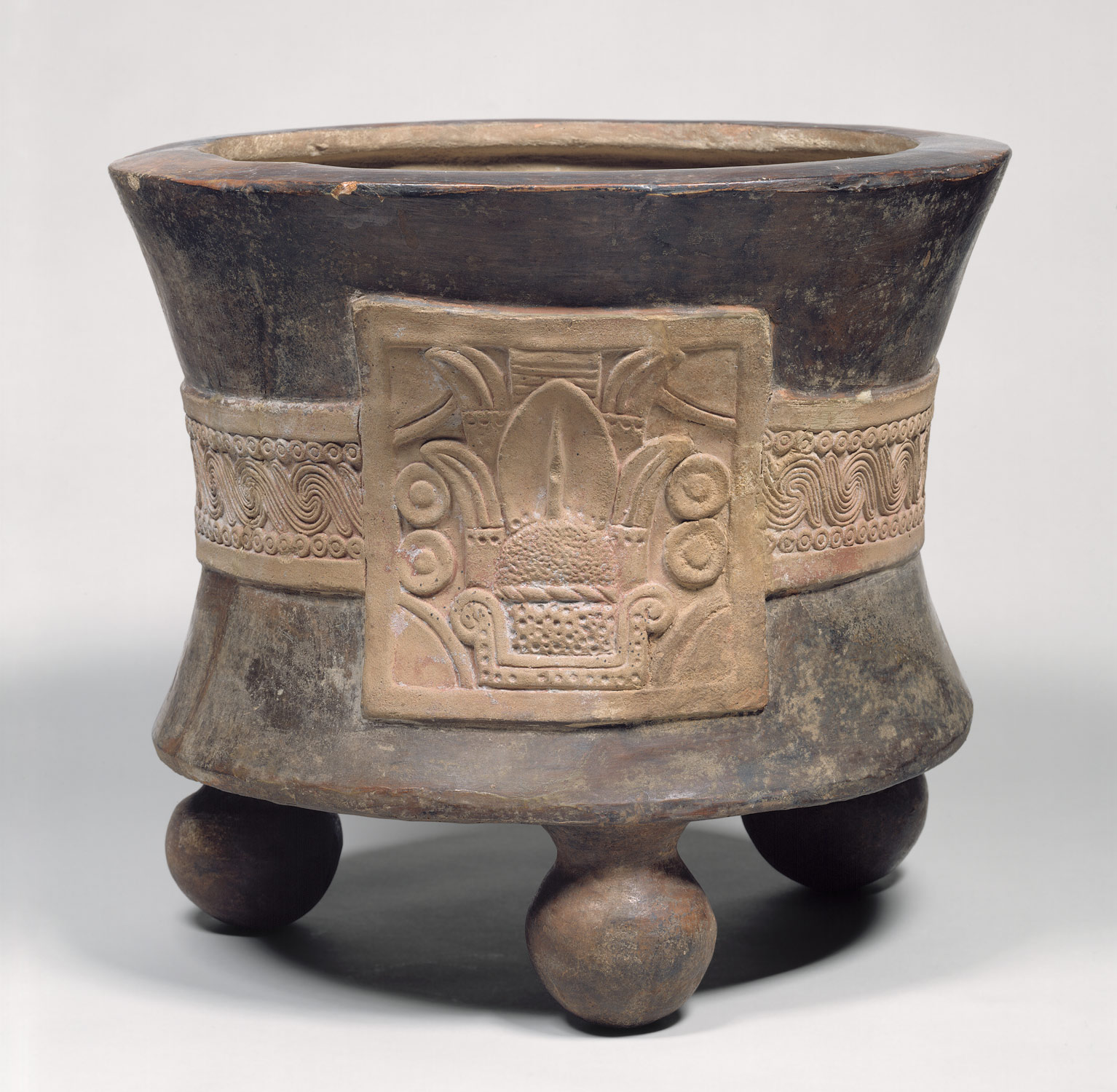
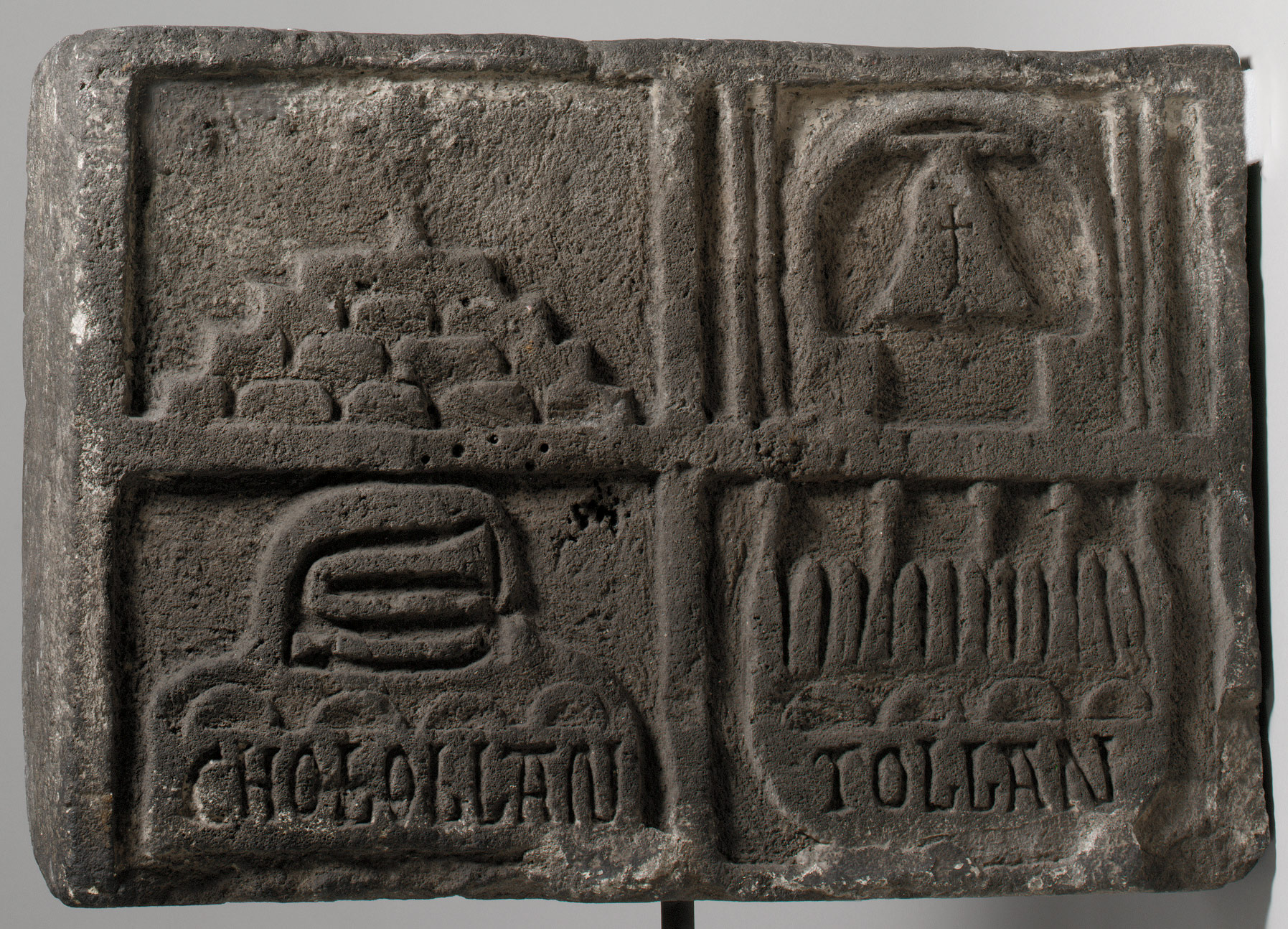
Art from the past teaches us about life in the past. By looking at a work of art's colors and materials, we can learn about the culture that produced it. 
We can learn what was important to these people and how they wanted to be remembered.

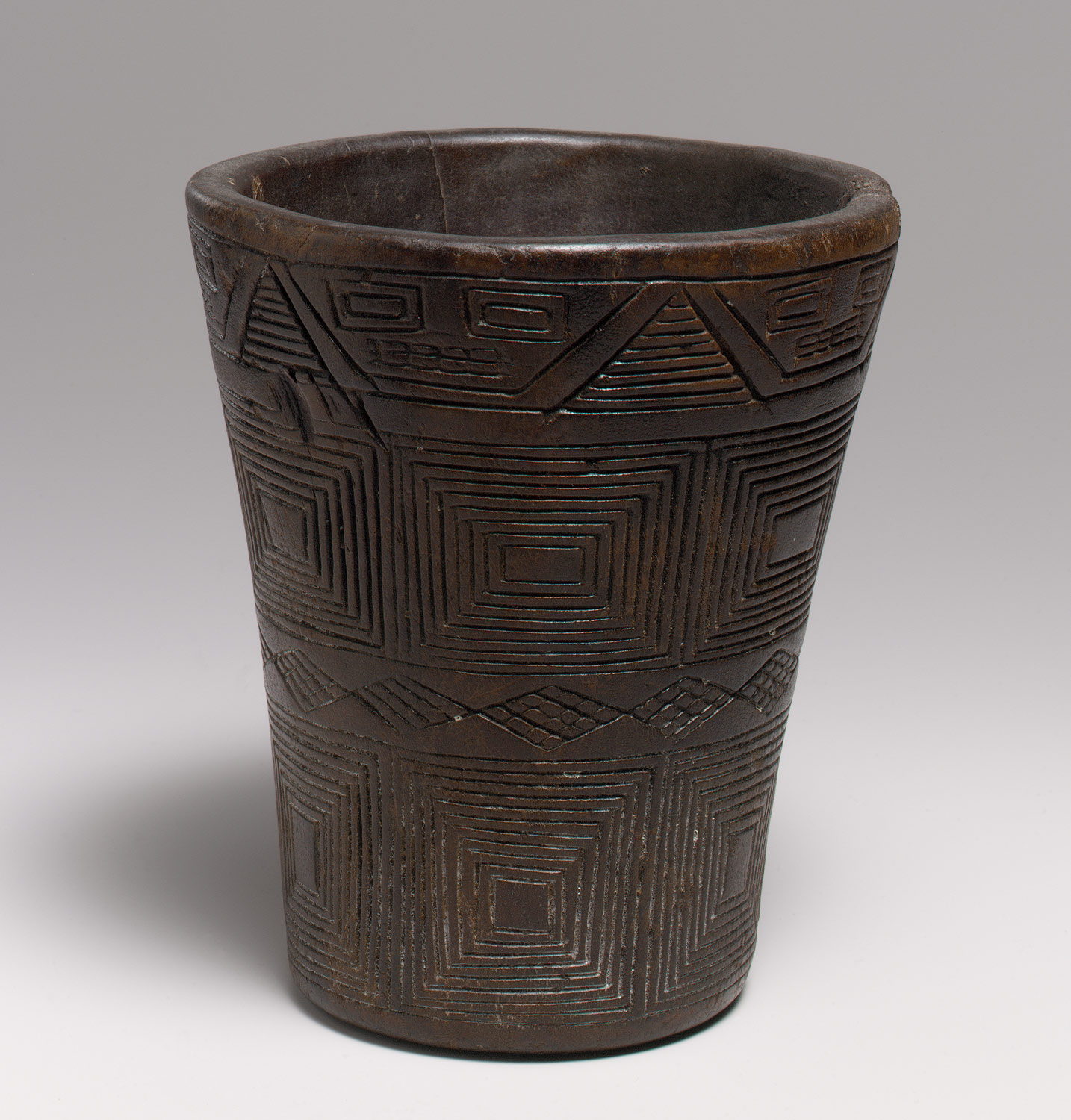
Kero
Kero made of wood (Incas)
Looking at art from the past contributes to who we are as people. 

By looking at what has been done before, we collect knowledge and inspiration that contributes to how we speak, feel, and view the world around us.


Young Corn God
Young corn God made of ceramic and pigment (Mayans)


Pair of Earflare Frontals
Pair of earflare frontals made of Jade (Mayans)
Tripod Vessel with Date Glyph
Tripod Vessel with date glyph made
of ceramic (Aztecs)


Relief Block with Coat of Arms of Cholula
Relief block with coat of arms of Cholula
made of stone and traces of stucco 
(Aztecs)


How do you want to be remembered?

What would you like people in the future to know about nowadays society based on our artistic expressions?

Tell us your opinion in the comment section below :) 


Institutions in Chile

1- Grouping As you know people live together with other people making communitites. There are small communities like your family and...

Entradas populares