Pages

Wednesday, November 21, 2018

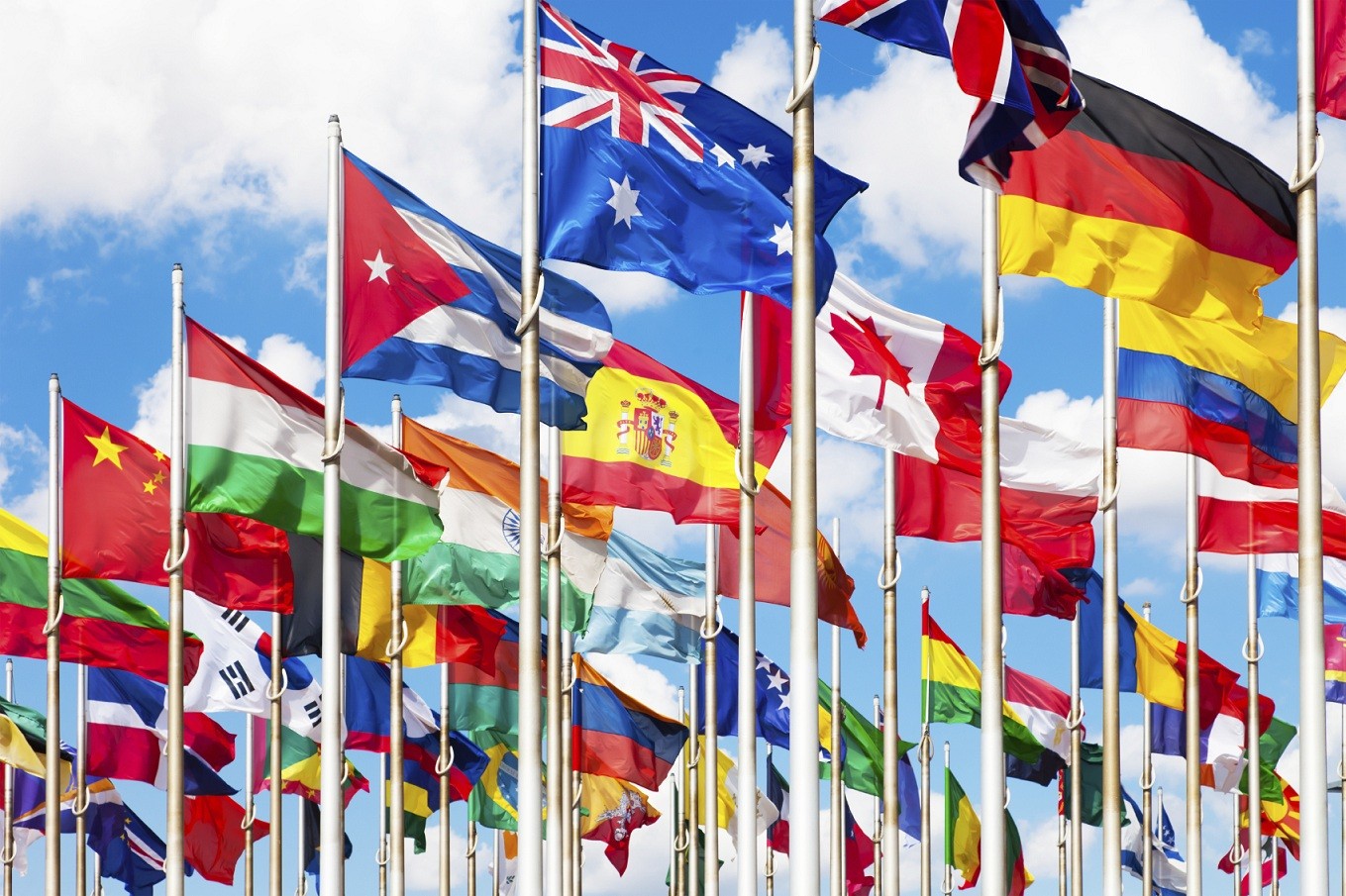
Flag colors

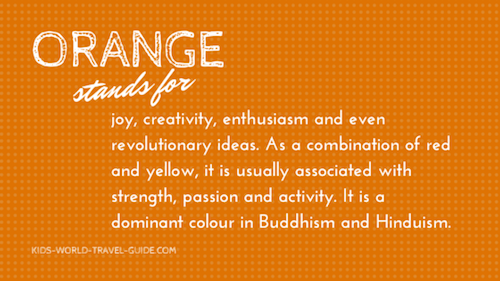
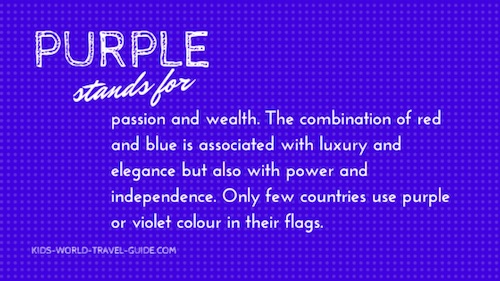
What do flag colors mean? 
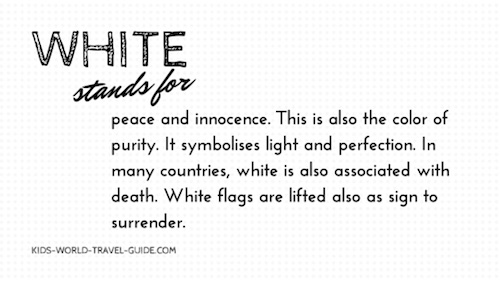
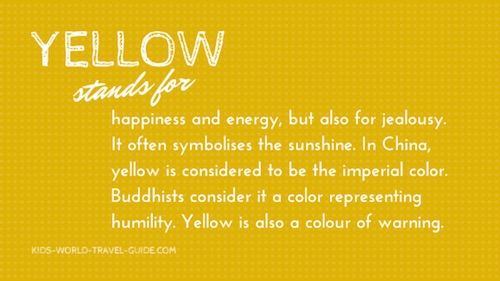
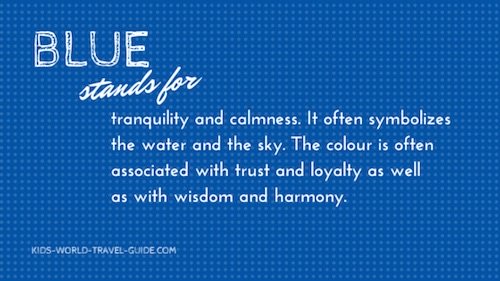
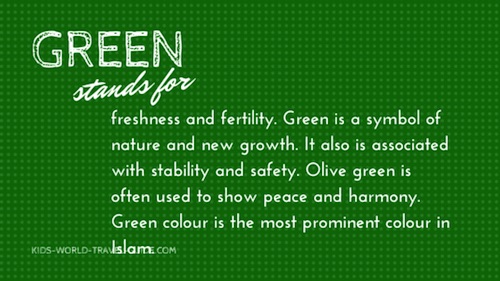
Do you know which color is used most in flags? 
And what the colours represent? 


Steps for creating your country's flag!


Vexillography is the art of designing flags. A good flag is simple, meaningful, and easy to recognize. Flags can be used to represent cities, states, countries, organizations, and even movements. They have a way of bringing people together under a series of symbols and colours. In order to design a flag, you should decide on the basic layout, add symbolism, and keep it simple. 

In this post we will present some steps that will help you when creating your country's flag. We hope they are useful.

Imagen relacionada


PART 1: Deciding on the basic layout

1

Choose the shape for your flag. Most flags are either rectangular or square. Your flag doesn't have to be rectangular, but you should stick to simple shapes that are easy to see from a distance. For example, Nepal’s flag is made of two overlapping triangles.

Image titled Design a Flag Step 1

2

Choose a simple design. Some of the most common flag designs are bicolors, tricolors, and quarters, or use stripes, panels, and borders. The flag can also be a solid color with a unique symbol in the center. Alternatively, you can place a rectangle in the upper left hand corner called a canton (like on the American flag) that includes a symbol.

Image titled Design a Flag Step 2


3

Use 2 to 3 colors. As a general rule, you should only use 2 to 3 colors in your flag design. If you use more they can be hard to distinguish. The most common colors found on flags are black, blue, green, red, white, and yellow. You can use light and dark colors to create contrast.

Image titled Design a Flag Step 3

PART 2: Adding symbolism

1

Decide what you want your flag to represent. When you are designing a flag it is very important that you choose colors and images that symbolize the organization or place your flag represents. For instance, you may be designing a flag for a micronation, fictional land, club, organization, or charity. Keep this in mind when you are adding symbolism to your flag.

Image titled Design a Flag Step 4

2

Choose colors that have meaning. When you are selecting which colors to include on your flag, make sure the colors have some sort of symbolic meaning. For example, if your location is near water, you may want to include blue in your flag to symbolize the water. 

Image titled Design a Flag Step 5

3

Add an image. Images and symbols can be used to help distinguish your flag from others, and will communicate the purpose or meaning behind the flag. The image of an eagle could symbolize freedom or power, a star could stand for divinity or honor, and a circle could represent the sun.

Image titled Design a Flag Step 6

PART 3: Keeping it simple

1

Don’t include lettering on a flag. Lettering is not necessary on a flag. The colours and symbols on the flag should be enough to identify what the flag is representing. Lettering is also difficult to read from a distance and will look backwards if viewed from the opposite side

Image titled Design a Flag Step 7

2

Decide on a design that is easy to draw. The best flag designs are those that are easy to draw. Do not include a complex seal or emblem on your flag. This will make it difficult to reproduce. Flag designs should be simple enough for a child to draw from memory.

Image titled Design a Flag Step 8

3

Use a flag design app. If you have been tasked with designing a flag, but don’t know where to start, you can try using a flag design app to give you ideas for different basic designs and symbols. Search online for a flag design app.

Image titled Design a Flag Step 9


Monday, November 19, 2018

Be a good citizen!

Transdisciplinary theme:

How we Organize Ourselves.

In this unit we will focus on relationships among people and how people organize themselves through institutions. Also, we will look into how societies are structured, economical activities and their impact in humanity and the environment.


Central Idea: 

Societies are organised to protect rights through the fulfillment of civil responsibilities

Resultado de imagen para human right


Lines
of Inquiry:

- Government and politics are organized in different ways.

- People have human and civil rights.

- Being a citizen implies having rights and fulfilling responsibilities.


Watch the following video to get some inspiration for our final assessment: 

A Pep Talk from Kid President to You

Thursday, November 8, 2018

Human Activity in Ecosystems


Prezi tips!

We have started using PREZI in TICs to prepare a presentation about food webs, so we thought this video could be useful for you to practice and learn more about how to use this fun program. Enjoy it! 


Tuesday, October 16, 2018

Monday, October 1, 2018

MATH: Decimals


Resultado de imagen para decimals

How can you write a number that is smaller than one? We will teach you :) 

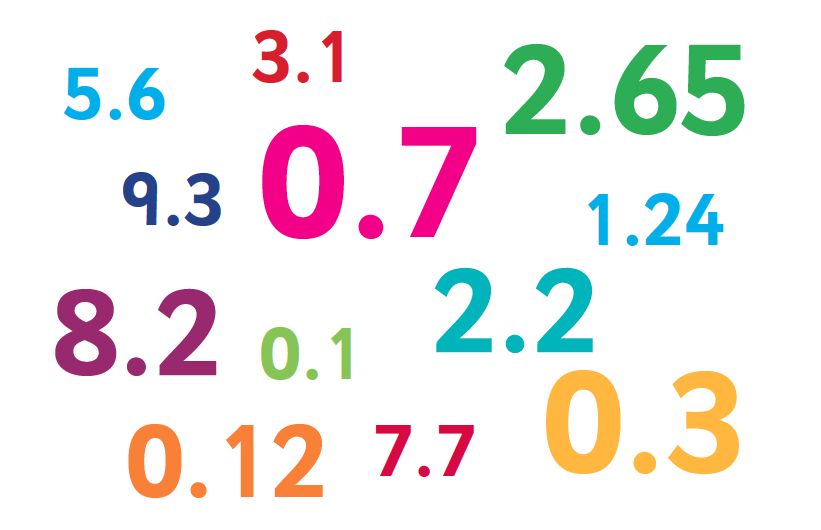
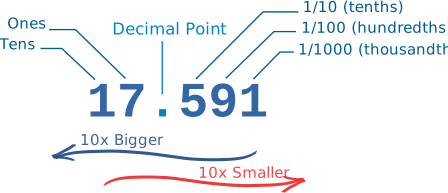
Today we will introduce you to our friends: decimal numbers, which represent a part of a whole just like a fraction does. They contain a decimal point, which looks like a period (' . ') and is used in a number to separate the whole number from the part of the number that is less than one.


Resultado de imagen para what are decimals for kids?


Resultado de imagen para decimals


Don't forget here in Chile the decimal point is represented by a comma, not a dot. 


Resultado de imagen para NÚMEROS DECIMALES


Play the following games to test your knowledge on decimals: 


http://www.math-play.com/Decimals-Jeopardy/decimals-jeopardy-game.html

http://www.math-play.com/decimals-board-game/decimals-board-game.html 

Reinforcing Fractions

Resultado de imagen para fractionsImagen relacionada


These videos will help you reinforce the concept of fractions, 
we hope you enjoy them! 


Take the following quiz and play the game to see how much you know:


Abiotic v/s Biotic

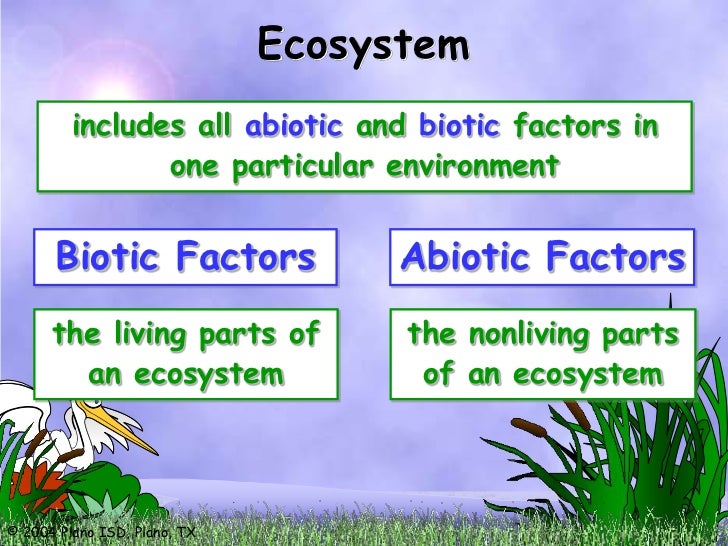
The primary difference between both is that abiotic factors include those components of the ecosystem which are non-living part of any habitat. On the other hand, biotic factors include living components of the ecosystem.
The examples of the abiotic factors are sunlight, the wind, clouds, water, rocks, energy, temperature, soil, etc. while the examples of biotic factors are plants and trees, animals, microorganisms such as fungi, bacteria, algae.
The ecosystem provides the major platform for the interaction between the two, as they both depend on each other for the various things chiefly biotic factors depend on the abiotic factors for fulfilling their requirements to grow and survive. To elaborate further, we will consider the few points which distinguish both the entities.
Watch the following video to understand better the difference between biotic and abiotic factors: 


Some examples of these factors are: 


http://ecologyofchesapeakebay101.weebly.com


Resultado de imagen para biotic and abiotic factors in an ecosystem


Resultado de imagen para biotic and abiotic factors in an ecosystem


Friday, September 28, 2018

Ecosystems

World Biomes and Ecosystems


What is an ecosystem? 
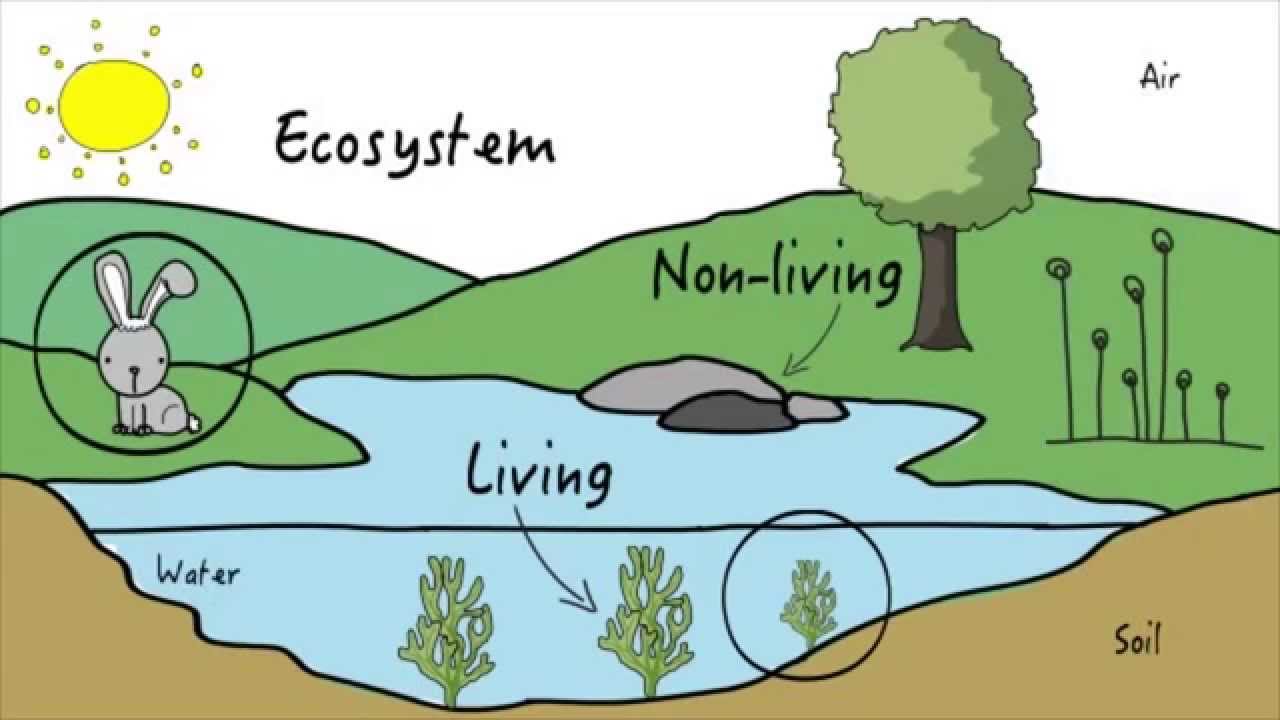
Imagen relacionadaEach individual plant and animal could not exist by itself on planet Earth. All living organisms need millions of other living organisms to survive. How these organisms interact with the sun, soil, water, air and each other in a specific area is called an ecosystem. 


An ecosystem describes a specific area where the organisms work together as a unit. It could be any size from a tiny pool of water to hundreds of square miles of desert. Each ecosystem is different and each has established a balance over time that is important to every form of life within the ecosystem. 


What is a biome? 

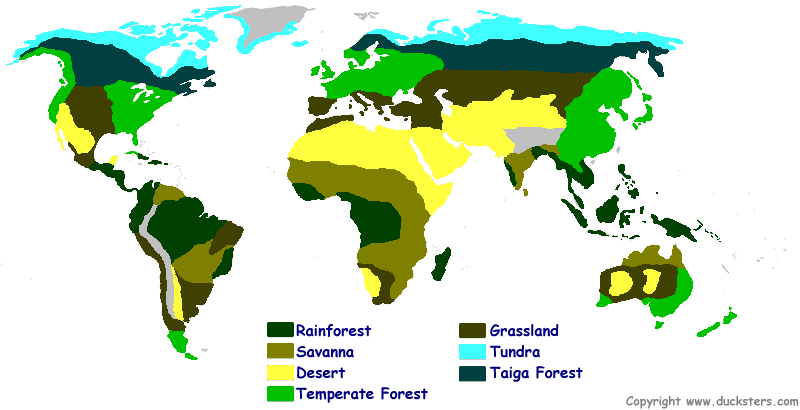
A biome is way to describe a large group of similar ecosystems. Biomes have similar weather, rainfall, animals, and plants. There are a number of biomes on planet Earth. See the map of the world biomes below. 


Map of the world biomes
Map of the world biomes.

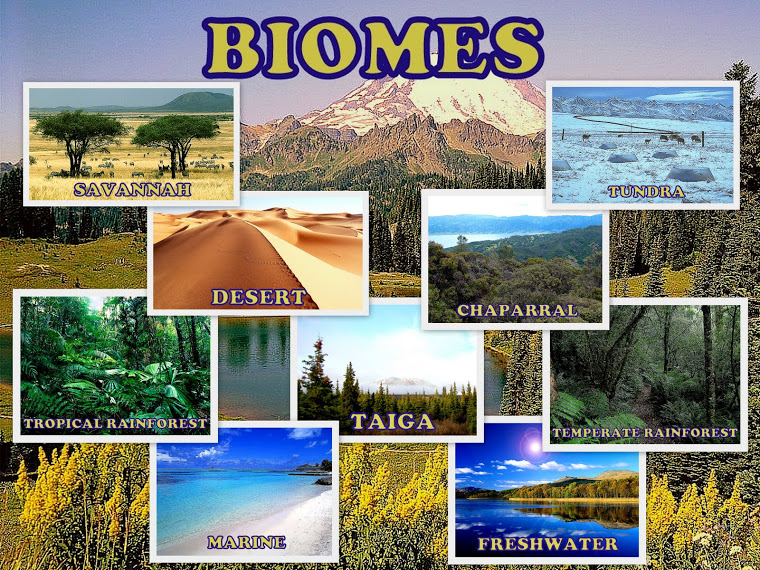
Click on the biomes below to learn more about each one. 


Land Biomes

Aquatic Biomes
Resultado de imagen para aquatic biomes collage


The Balance of the Ecosystem 

Ecosystems maintain important balances in order that all the organisms within the ecosystem can survive. These balances involve food, water, oxygen, nitrogen, and carbon. 

The sun provides the energy needed by ecosystems. Plants take this energy and use photosynthesis to create sugar which they can use for energy. Nutrients in the soil, the air, and water also play a part in keeping an ecosystem thriving and in balance. 

Some important cycles that occur in ecosystems to help maintain proper balance include:


Humans and the Ecosystem 

Humans have adversely affected many ecosystems and biomes throughout the world. Cutting down trees, developing land, growing crops, burning fossil fuels, overfishing, and overhunting are just some of the ways that we have upset the balance of nature. 


We invite you to discuss the following questions with your family, classmates or teachers: 


How can we protect ecosystems in our area?

What are some of the different types of Ecosystems?

 Is the ecosystem important? Why?

What is destroying the ecosystem?Mention some examples.

Thursday, September 27, 2018

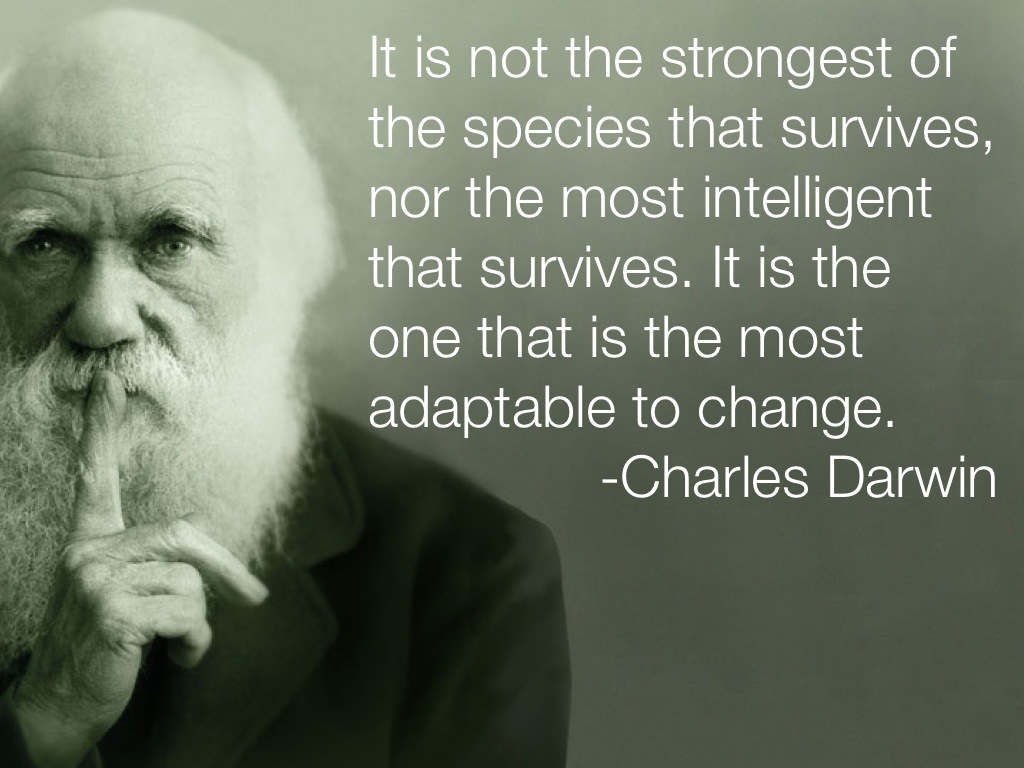
Adapt or Die!

Resultado de imagen para adapt or die

Does it mean it is the best way to do it? 


Resultado de imagen para adapt or die

Can you think about examples of species who have adapted or died? 

Why do you think they could or could not make it? 


Imagen relacionada


Who does the man in the video represent? 

Do you think his way of living affects other species and ecosystems? Please give some examples.
How could the man in the video change his attitude in a positive way?


What is biodiversity? Why is it important?

What would happen if we took appart one element from any ecosystem? 


Move, Adapt or Die

Institutions in Chile

1- Grouping As you know people live together with other people making communitites. There are small communities like your family and...

Entradas populares